April 24, 2026
You might be reading this while your kettle cools on the counter, or while you’re trying to replace an ordinary morning coffee with something that feels more grounded, more intentional. That’s often how a love of arvid nordquist coffee begins. Not with a grand ceremony, but with the simple wish to make an everyday pause feel richer.
In Sweden, coffee often lives inside a larger ritual. It belongs to fika, the gentle custom of stopping for coffee, something sweet, and a moment of human connection. That’s why certain coffees carry more than flavour. They carry memory, habit, and a sense of place.
A Swedish fika isn’t just a caffeine break. It’s the soft clink of mugs on a wooden table, the scent of fresh brew in a quiet kitchen, and a pause that asks you to sit down properly instead of rushing to the next thing. In that setting, coffee becomes part of culture.
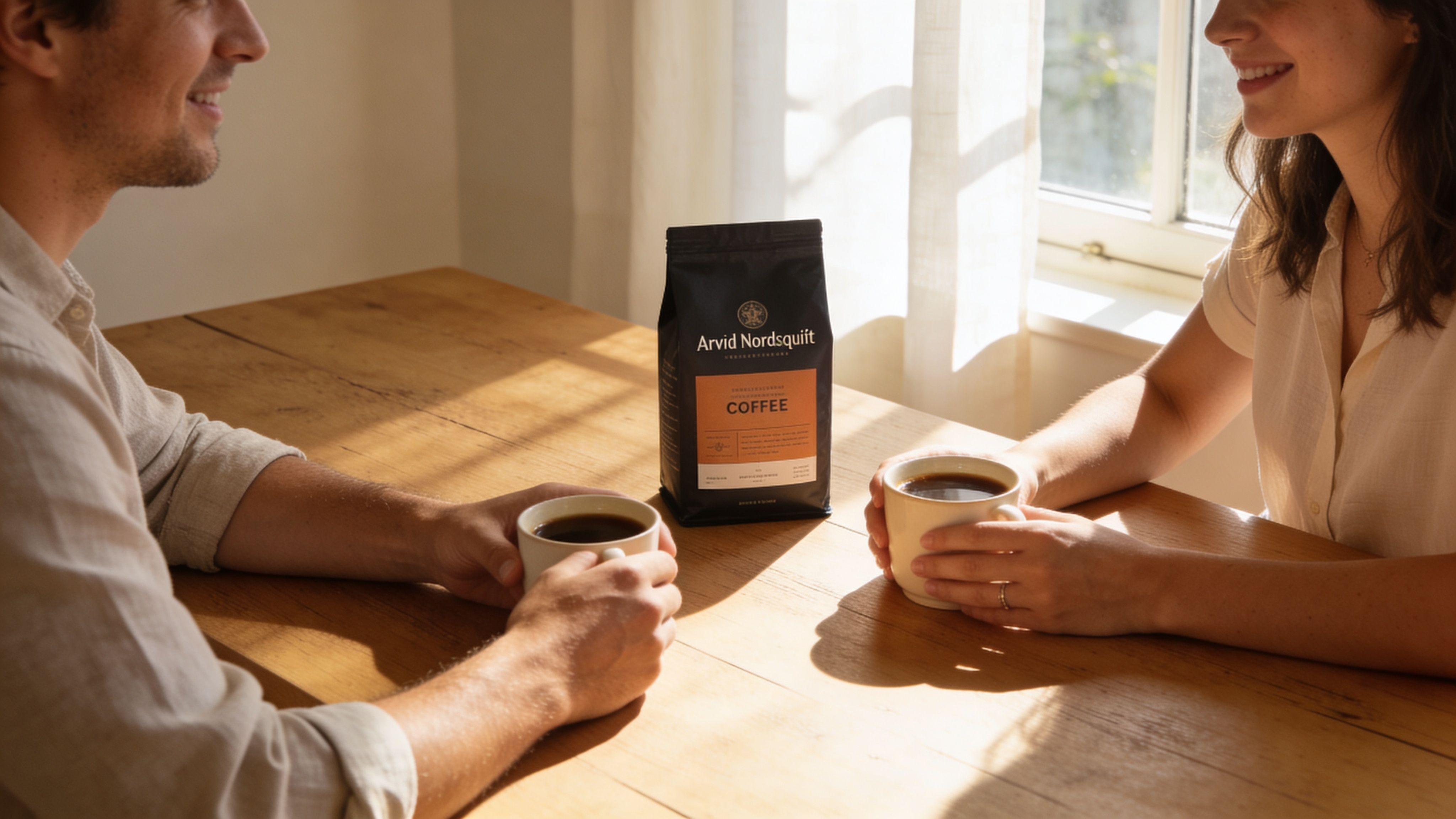
Many readers first come across arvid nordquist coffee because they want to recreate that Swedish feeling at home. They’ve tried Scandinavian interiors, perhaps baked a batch of cinnamon buns, or explored typical Swedish things, and then realised the coffee itself matters just as much as the setting.
Arvid Nordquist isn't merely a familiar supermarket name in Sweden. It holds a place of trust. Arvid Nordquist has been recognised as Sweden's strongest coffee brand for five consecutive years by the Evimetrics Sweden Brand Awards, and it is Sweden’s number 1 retail coffee brand, producing 100% Arabica coffee certified by either Rainforest Alliance or Fairtrade, as reported by Comunicaffe’s coverage of the award.
That matters because fika relies on consistency. You want a coffee that feels polished but not fussy, expressive but still welcoming. In Swedish homes, the ideal cup often supports the conversation rather than stealing attention from it.
Fika works best when the coffee feels dependable. It should invite another sip, not demand analysis from the first one.
Some people assume “Swedish coffee” must mean very dark, severe roast. Others think a famous national brand can’t also feel premium. Arvid Nordquist challenges both ideas. Its reputation rests on quality, familiarity, and a style of coffee that suits daily life.
A useful way to think about it is this:
That’s why arvid nordquist coffee fits so naturally into the idea of an authentic fika. It doesn’t try too hard. It belongs.
The story begins in Stockholm, not in a factory but in a shop. Arvid Nordquist was founded on Friday, September 12, 1884, when Arvid Nordquist opened his first delicatessen store on Nybrogatan in Stockholm, marking the beginning of a family-owned enterprise that would span generations, according to Arvid Nordquist’s company history.
That founding detail matters because it tells you what kind of company this is. The roots are culinary. The starting point was taste, selection, and the art of offering fine goods to customers who cared about quality.
Over time, the business evolved from a simple hawker’s stall into a distinguished delicatessen, and later into a leading Nordic trading house specialising in high-quality food and beverages. That long arc gives arvid nordquist coffee a sense of continuity that many modern brands can’t imitate.
It also helps explain why the brand feels distinctly Swedish in a cultural sense. This isn’t coffee attached to a vague lifestyle story. It grew inside a long tradition of Swedish food culture, urban commerce, and family stewardship.
When people hear “heritage brand”, they sometimes picture dusty packaging or old-fashioned taste. But heritage can also mean refinement through repetition. A company that has served generation after generation learns what people return to, what quality looks like in daily life, and how to preserve trust.
Here’s what stands out in Arvid Nordquist’s history:
Historical clue: when a coffee company begins with delicatessen culture, it usually means flavour and quality were part of its identity from the start.
For readers who love Scandinavian craft, this kind of history feels familiar. The appeal isn’t only age. It’s the preservation of standards. In the same way a hand-carved folk object carries the touch of a tradition, arvid nordquist coffee carries the weight of a name that has stayed present in Swedish life for well over a century.
Choosing coffee can feel harder than it should. Labels mention roast, body, acidity, and flavour notes, but many people aren’t sure how those terms translate into the cup. The easiest way to understand arvid nordquist coffee is to think in families of taste rather than in complicated jargon.
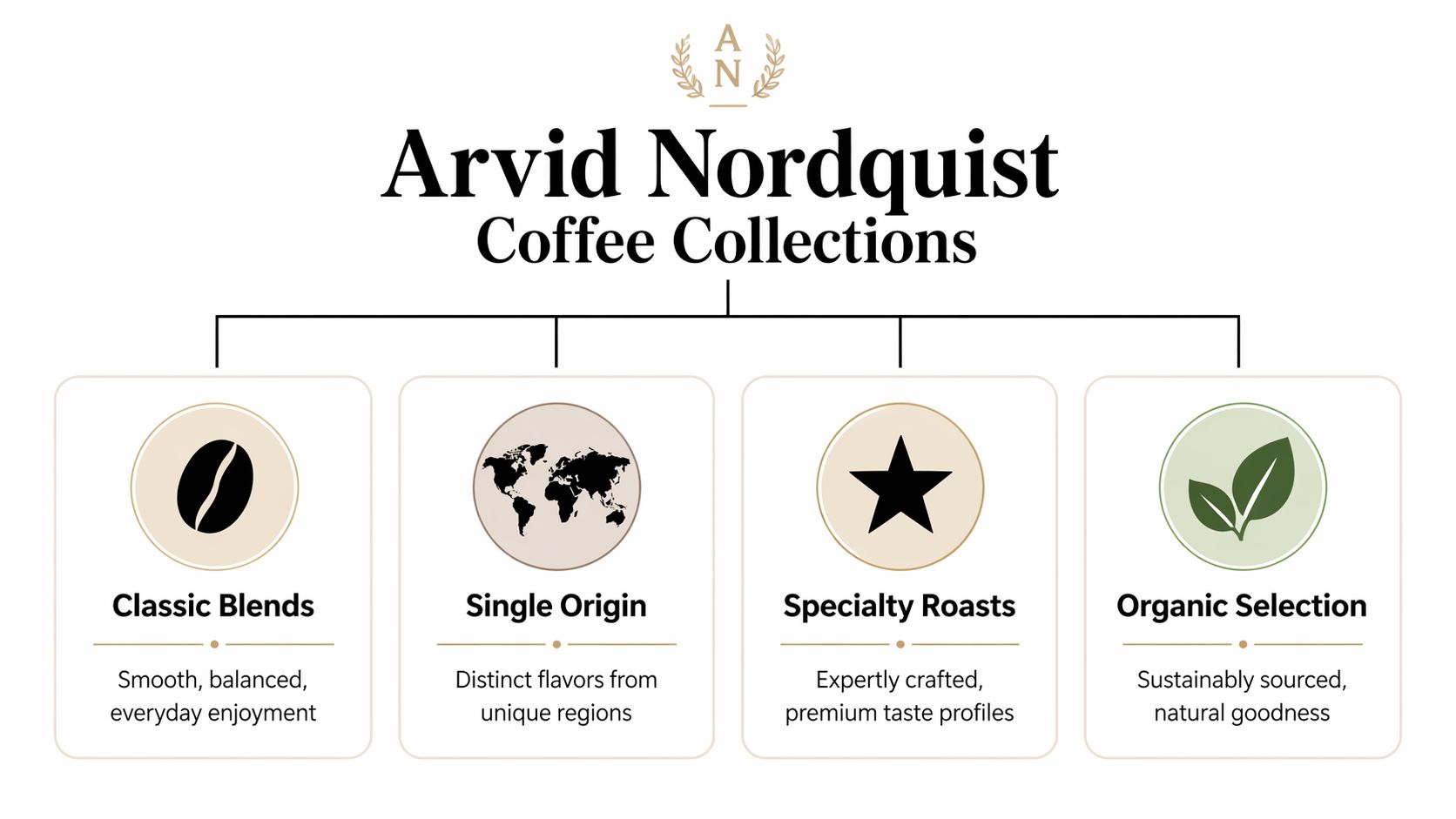
You’ll often see coffees discussed in terms such as Classic Blends, Single Origin, Specialty Roasts, and Organic Selection. Even if a retailer presents the range differently, those categories are useful.
If you’re unsure where to begin, start with the coffees closest to the brand’s everyday identity. In Swedish coffee culture, “everyday” doesn’t mean dull. It means dependable, social, and easy to return to.
A very helpful example is Classic Mellan, one of the better reference points for understanding the style. According to the product information at Hemslojd’s listing for Classic Mellan, its sensory profile is Roast 5/10, Acidity 7/10, Body 6/10, and Intensity 6/10, with notes of nougat, cocoa, and lively fruitiness from high-altitude 100% Arabica beans.
Those numbers can look technical, so let’s turn them into plain language.
This is a medium roast. It won’t taste charred or smoky. Instead, it aims for a rounded, approachable cup where the bean’s own flavour still comes through.
“Acidity” confuses many people. It doesn’t mean the coffee is sour in a bad way. In a well-made coffee, it means brightness. Here, that higher score suggests a lively quality that keeps the cup from feeling flat.
Body is the texture and weight of the coffee in your mouth. A 6/10 body suggests something smooth and present, but not heavy like a very dark or syrupy brew.
Intensity speaks to overall flavour impression. At 6/10, Classic Mellan should feel clear and satisfying without becoming aggressive.
If you enjoy coffee that tastes steady, balanced, and a little bright, Classic Mellan is easier to love than a darker roast that pushes bitterness to the front.
A practical shortcut helps:
Arvid nordquist coffee rewards that kind of simple matching. You don’t need to become a tasting expert. You only need to notice whether you want your fika coffee to feel gentler, brighter, or deeper.
Coffee quality doesn’t begin at the moment of brewing. It starts much earlier, in sourcing, roasting, and the systems a company builds around them. With arvid nordquist coffee, sustainability isn’t a decorative extra attached after the fact. It’s woven into how the coffee is produced.
The company’s coffee is 100% Arabica and certified by either Rainforest Alliance or Fairtrade, with organic products also certified by the EU leaf and KRAV, as noted earlier in the award coverage. For a drinker, the practical meaning is straightforward. The brand has tied quality to accountable sourcing rather than treating them as separate issues.
That matters because many readers want reassurance on two fronts at once. They want coffee that tastes good, and they want to feel that care has gone into the way it reaches the shelf.
Arvid Nordquist states that the roastery in Järfälla has achieved a 30% reduction in Scope 1-3 emissions since 2014, and that biogas roasting cuts CO2 emissions by 85-96% compared to conventional methods, contributing to its 100% climate-compensated coffee, according to the company’s coffee sustainability information.
Those figures are useful because they move the conversation beyond vague claims. “Sustainable” can mean almost anything in marketing copy. Here, we can see actual operational choices.
Roasting is both chemistry and craft. If the process relies on cleaner energy, that changes the environmental footprint of the coffee. If the company invests in certified sourcing and climate-compensated production, the ethical and practical sides of the business begin to support one another.
A careful reader can take three things from this:
Sustainability feels more convincing when you can point to the roastery, the certifications, and the production method, not just the label on the bag.
For many people, that deepens the pleasure of the cup. Coffee already carries a long chain of labour, land, and transport behind it. When a company takes visible responsibility for that chain, the daily ritual feels more considered.
The beauty of fika is that you don’t need a perfect house, special occasion, or elaborate table. You need a decent pause, a thoughtful coffee, and something small to eat alongside it. That’s why arvid nordquist coffee fits so naturally into home ritual.
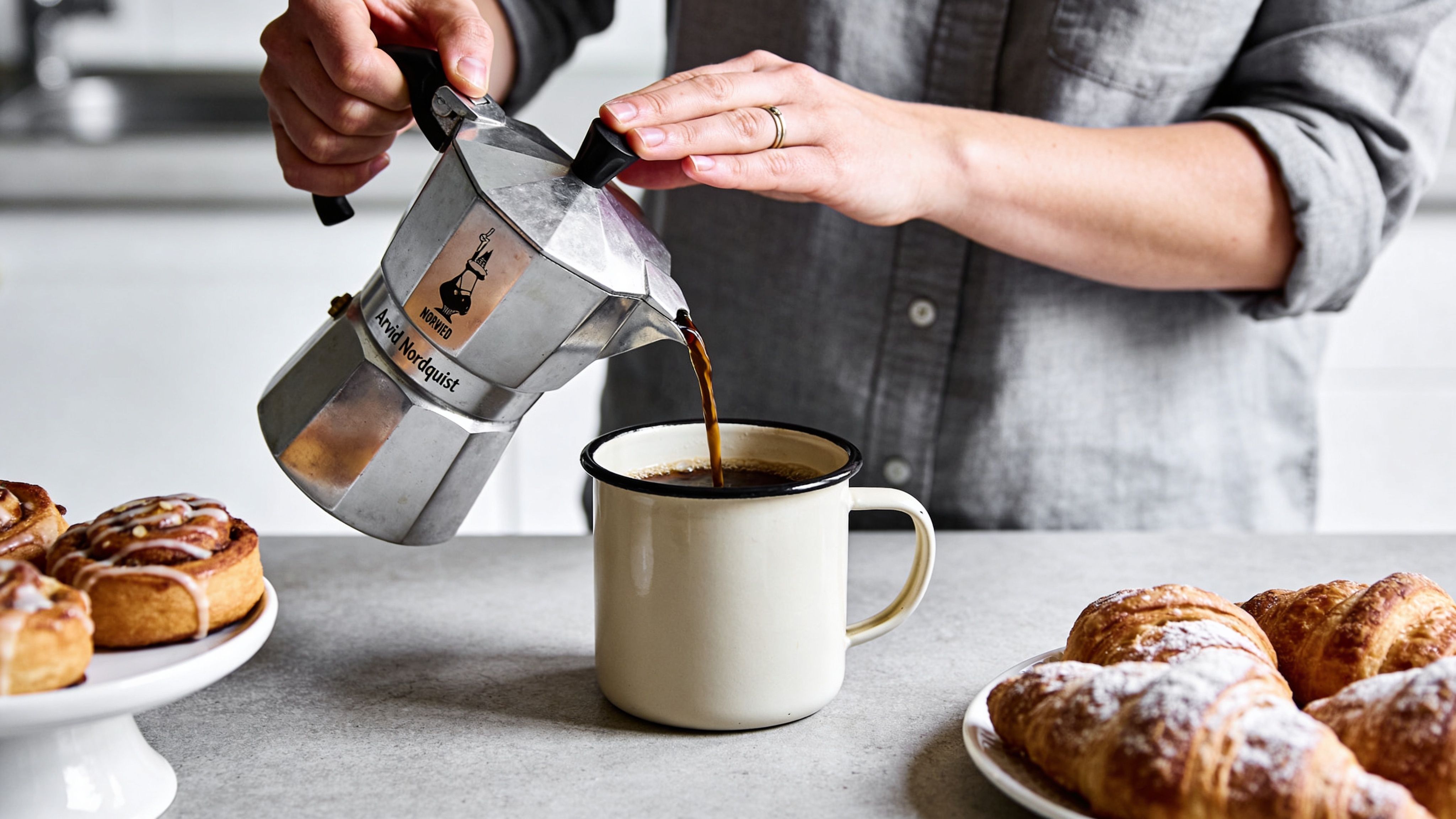
A common mistake is treating fika like a performance. It isn’t. A real Swedish-style coffee break feels calm and lived-in. Open the curtains. Put away whatever distracts you. Sit down with someone if you can, or sit alone without your phone for a few minutes.
Then brew the coffee in a method that suits the style you’ve chosen. Filter coffee is especially natural for this kind of experience because it produces a clean, shareable pot.
Try this approach at home:
Choose a balanced coffee
A medium roast style works well because it pairs easily with baked goods and doesn’t overwhelm the palate.
Use a mug you enjoy holding
Fika is tactile. The warmth of the cup matters.
Add one sweet companion
Cinnamon buns, small biscuits, or chocolate balls all fit the spirit. The idea is modest pleasure, not excess.
Sit down properly
Don’t drink it while standing over the sink. The pause is the point.
Serving rule: if you can spare ten quiet minutes, you can host yourself to a proper fika.
After you’ve settled in, it can help to watch the rhythm of a coffee moment rather than just reading about it:
The best pairings are usually simple. Sweet pastry softens perceived bitterness. A cocoa-toned coffee can feel especially cosy with baked cinnamon flavours. A brighter coffee can cut through richer treats and keep the whole break from feeling too heavy.
A useful test is to ask one question: does the pairing make you want another sip? If yes, you’re close to the spirit of fika.
Coffee changes a room, but so do the objects around it. A bag of arvid nordquist coffee on its own already carries Swedish character. Place it beside thoughtful Scandinavian design, and the whole moment becomes more complete.
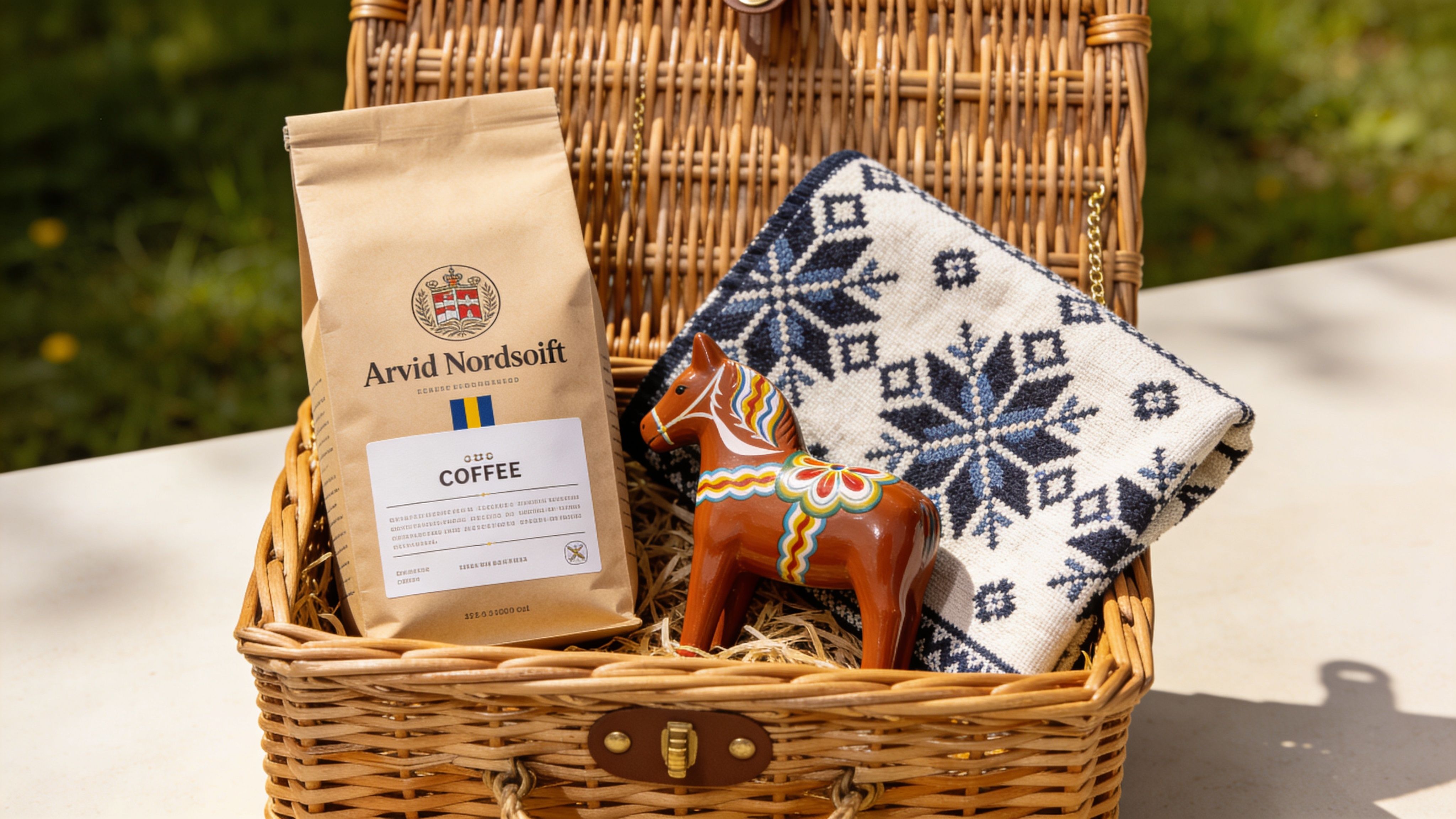
A memorable fika space doesn’t need to be large. A tray, a linen cloth, a favourite mug, and one meaningful decorative piece can be enough. Swedish interiors often work because they don’t crowd the eye. They leave room for texture, craft, and natural materials.
That’s where coffee and folk art meet so gracefully. Both belong to everyday life. Neither has to be locked behind ceremony. A hand-painted object on a shelf and a well-brewed cup on the table speak the same language of domestic care.
A gift becomes more interesting when it gives both use and atmosphere. Coffee can be brewed and enjoyed, but it also tells a story about place. Swedish coffee in particular suggests hospitality, calm, and shared time.
If you’re putting together a Scandinavian-themed present, it helps to think in layers:
For more inspiration on culturally meaningful presents, this guide to gifts from Sweden offers ideas that pair beautifully with a coffee-centred gesture.
A strong gift doesn’t just say “this is Swedish”. It lets the recipient taste, use, and live with that Swedishness for a while.
That’s why arvid nordquist coffee works so well in pairing and gifting. It isn’t only consumable. It’s atmospheric.
If you live outside Sweden, the biggest challenge is usually practical. Where do you find arvid nordquist coffee without guessing at unfamiliar sellers?
Start with shops that specialise in Scandinavian foods, Nordic pantry goods, or imported European coffee. These retailers are more likely to stock the right grinds and familiar product lines, and they usually understand how to describe them clearly.
When you browse, check for a few reassuring signs:
Online Nordic grocers are often the easiest route, especially if you don’t live near a Scandinavian neighbourhood or speciality food shop. If you do have access to an in-person Swedish or Nordic grocery, that’s even better because you can compare roasts and package formats directly.
This overview of a Swedish grocery store can help you recognise the kinds of retailers that often carry familiar Swedish staples, including coffee.
One final tip. Buy according to how you drink coffee, not according to what sounds most impressive. If your household values a reliable daily brew, choose the balanced option you’ll happily finish. That’s far more in keeping with Swedish coffee culture than buying an intense roast that sits untouched in the cupboard.
It’s both, which is part of its appeal. The brand sits comfortably in daily Swedish life, but it also carries a strong reputation for quality. That combination is one reason it feels so suited to fika. It’s refined without becoming precious.
The most sensible answer is by style, heritage, and the kind of relationship drinkers have with it. Some people compare Swedish coffee brands by roast preference, household familiarity, or availability in their region. Arvid Nordquist stands out for its long family-rooted history, its place in Swedish coffee culture, and the recognisable profile of coffees such as Classic Mellan.
It’s a medium roast with a balanced structure. Expect a cup that feels smooth and approachable, with cocoa and nougat notes and a brighter lift of fruitiness rather than a heavily dark-roasted finish.
Availability varies by market and retailer. The best approach is to check the product range of the seller you’re considering rather than assume every international format is offered everywhere.
Keep it simple. Store the coffee sealed well, away from moisture, heat, and strong odours. A cool cupboard works better than a spot next to the oven. If you open a bag, close it carefully after each use so the aroma stays more vivid.
Yes. Coffee is one of the easiest ways to share a living tradition. Unlike a purely decorative souvenir, it invites an experience. The recipient doesn’t just look at Swedish culture. They brew it, serve it, and make room for it in their routine.
If you’d like to bring that same sense of Swedish heritage into your home beyond the coffee cup, Dalaart offers authentic hand-carved and hand-painted folk art from Dalarna. It’s a beautiful place to find a meaningful companion to your fika ritual, whether you’re decorating, collecting, or choosing a thoughtful Swedish gift.


.svg)


.png)


