May 9, 2026
You're probably staring at a card, a gift tag, or an unfinished present and thinking the same thing many of us think every December. You want your greeting to feel warm, not copied. You want the gift to feel personal, not rushed.
That's where merry merry christmas and a happy new year becomes more than a festive phrase. With a little care, it can become the thread that ties together your words, your handmade details, and the way you present a gift. In Scandinavian homes, that kind of thoughtfulness matters. A simple object, made with care and beautifully given, often says more than anything flashy ever could.
A Swedish-inspired holiday tradition works especially well when you combine three things. A heartfelt message, a handcrafted touch, and natural wrapping. The result feels calm, generous, and rooted in something older than trend cycles.
Many holiday greetings get lost because they sound like everyone else's. The phrase is lovely, but on its own it can feel automatic. What makes it memorable is the way you carry it through the whole gesture.
In Swedish folk culture, objects often hold memory. A carved ornament, a painted horse, a handwritten card, a sprig of evergreen tucked into twine. These aren't just decorative extras. They help turn a seasonal greeting into something the recipient can hold, display, and remember.
That matters now because people are actively looking for gifts with cultural meaning. Recent industry data says 68% of U.S. consumers seek culturally authentic gifts during the holiday season (holiday gifting trend on culturally authentic gifts). If you've ever felt drawn to slower, more meaningful holiday rituals, that preference probably makes sense to you already.
The beauty of merry merry christmas and a happy new year is that it reaches across two moments at once. It honours the celebration happening now and the hope of what comes next. Scandinavian winter traditions often do the same. They hold closeness, reflection, candlelight, handwork, and the sharing of small but meaningful gifts during the darkest part of the year.
A Dala horse fits naturally into that spirit. It carries Swedish heritage, colour, and craftsmanship in one small form. Even if you're new to folk art, it's easy to see why it feels right at Christmas. It's cheerful, handmade, and full of character.
A festive message feels richer when the object beside it carries a story of place, craft, and care.
If you'd like to gather more visual inspiration before making your own holiday pieces, these Swedish Christmas decorations offer a good sense of the palette and mood.
Instead of treating the greeting, gift, and wrapping as separate tasks, treat them as one composition:
That combination is what gives a present its quiet power. It doesn't need to be expensive. It needs to feel chosen.
The phrase itself has a long life behind it. “A Merry Christmas and a Happy New Year” was popularised on the first commercial Christmas card in 1843, designed by John Callcott Horsley, and that first run included about 1,000 cards (history of the first commercial Christmas card). That small beginning helped make the dual holiday greeting part of modern festive culture.
Knowing that history helps with one common point of confusion. People often wonder whether the phrase is too old-fashioned to use now. It isn't. It lasts because it's generous and clear. The trick is to personalise it so it sounds like you.
Before you write, decide what you want the recipient to feel. Cosiness. Gratitude. Encouragement. Affection. Respect. Once you know that, the message becomes easier.
Try this three-part structure:
That shape works for almost anyone, and it keeps the card from sounding stiff.
For close family, warmth matters more than polish.
For parents or grandparents
Merry merry christmas and a happy new year. Thank you for making the season feel grounded and generous every year. I'm sending you love, warmth, and many peaceful moments this Christmas.
For a sibling
Merry merry christmas and a happy new year. I hope your holiday is full of good food, late mornings, and the kind of laughter that makes the whole house feel brighter.
For friends, write the way you speak. Don't over-formalise the note.
For an old friend
Merry merry christmas and a happy new year. I'm so grateful we've stayed part of each other's lives. Wishing you a restful holiday and a new year filled with good things worth keeping.
For a newer friend
Merry merry christmas and a happy new year. It's been such a pleasure getting to know you this year. I hope the season brings you calm, joy, and a little extra magic.
For professional contacts, keep the tone kind and clear.
You don't need a long message. You need one honest detail.
Use any of these:
Practical rule: If your message could be sent to ten different people unchanged, add one more sentence.
If you want that Scandinavian feeling, choose language that's simple and tactile. Think of words like warmth, peace, light, home, quiet joy, cosy evenings, and winter calm. They feel grounded. They also pair beautifully with handmade gifts and natural wrapping.
A good holiday card doesn't try too hard. It sounds sincere, leaves room to breathe, and feels like it belongs to the season.
A Scandinavian-style holiday card doesn't need glitter, foil, or a crowded layout. It usually looks better with fewer elements and better materials. Think soft white card, kraft paper, pine green ink, red thread, and one small motif placed with care.
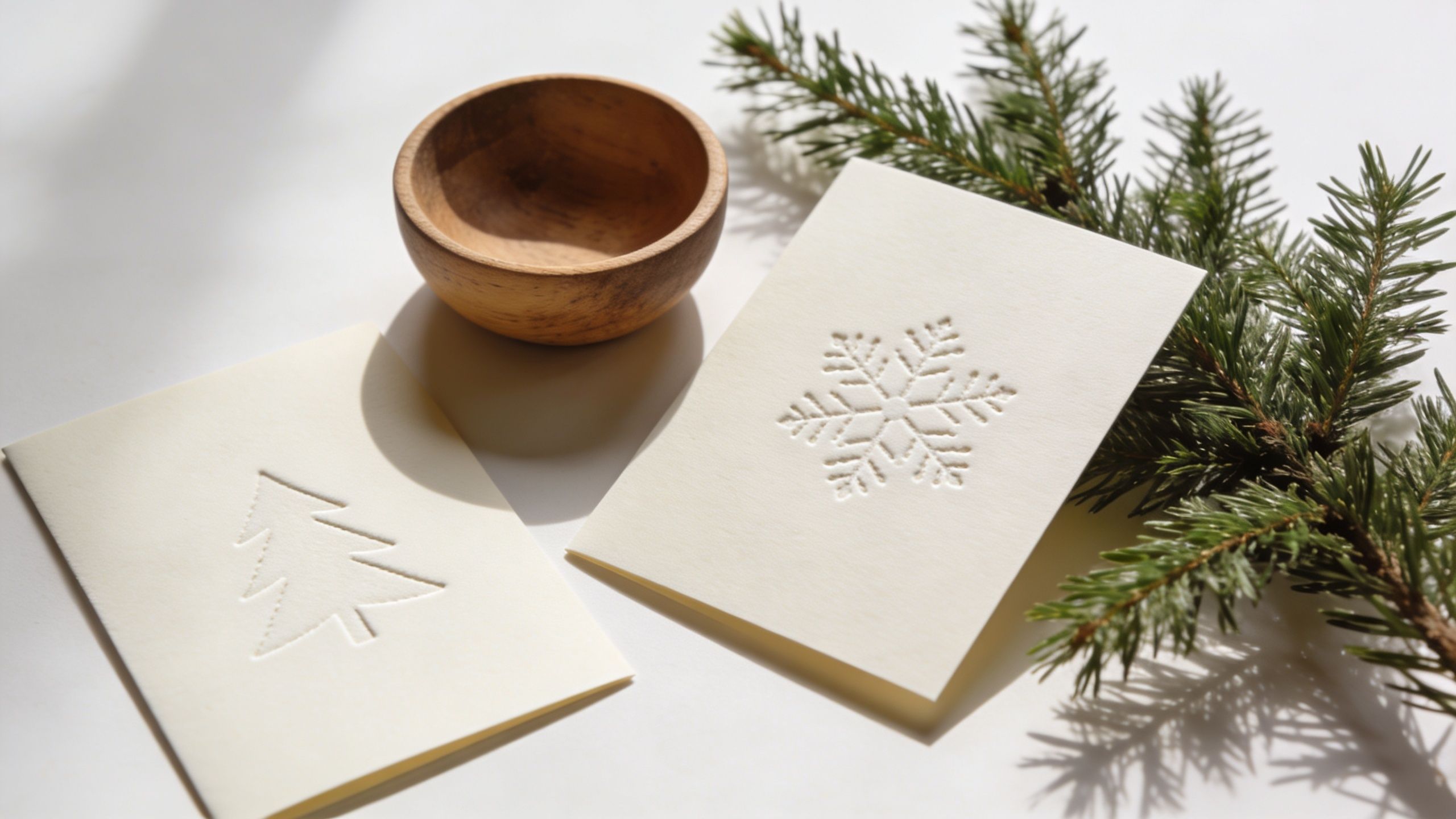
The reason this style works is simple. Nordic design relies on restraint. When the message and materials are strong, you don't need much ornament.
If you're unsure where to begin, choose one of these combinations:
Keep one colour dominant, one secondary, and one accent. That gives the card structure without making it busy.
You don't need to fill the card with obvious Christmas graphics. A quieter approach often feels more elegant.
Good motifs include:
A small stamped horse in one corner can be enough. So can a hand-drawn star with a single line of red thread tied through a punched hole.
If you want a fully handmade card, start with folded heavyweight paper. Add one central motif and write the greeting by hand. Use a white gel pen on kraft card or dark green ink on cream paper.
If you're short on time, personalise a plain shop-bought card. Replace the envelope with one tied in linen thread. Add a pressed sprig of evergreen. Write a short note on a separate tag and tuck it inside.
These are easy to find and easy to combine:
One useful habit is to lay out all your materials before you begin. Scandinavian style depends on balance. When you can see every paper, thread, and colour at once, it's easier to keep the composition calm.
Leave some empty space. On a Nordic card, blank space isn't unfinished. It's part of the design.
Keep the structure simple. Choose one shape, one colour family, and one embellishment. For example, a cream card with a red painted horse and one green pine sprig. That gives enough freedom for creativity without turning the card into a jumble.
The best handmade cards often look a little imperfect. A slightly uneven line or visible brushstroke can make the piece feel more alive. That's especially true when the card accompanies a hand-painted gift.
Painting a Dala horse is one of the most satisfying holiday projects I know. It's small enough to finish over a few evenings, but expressive enough to feel special when you give it away. If you're making one for Christmas, keep the design clear and rooted in traditional Swedish colour language.
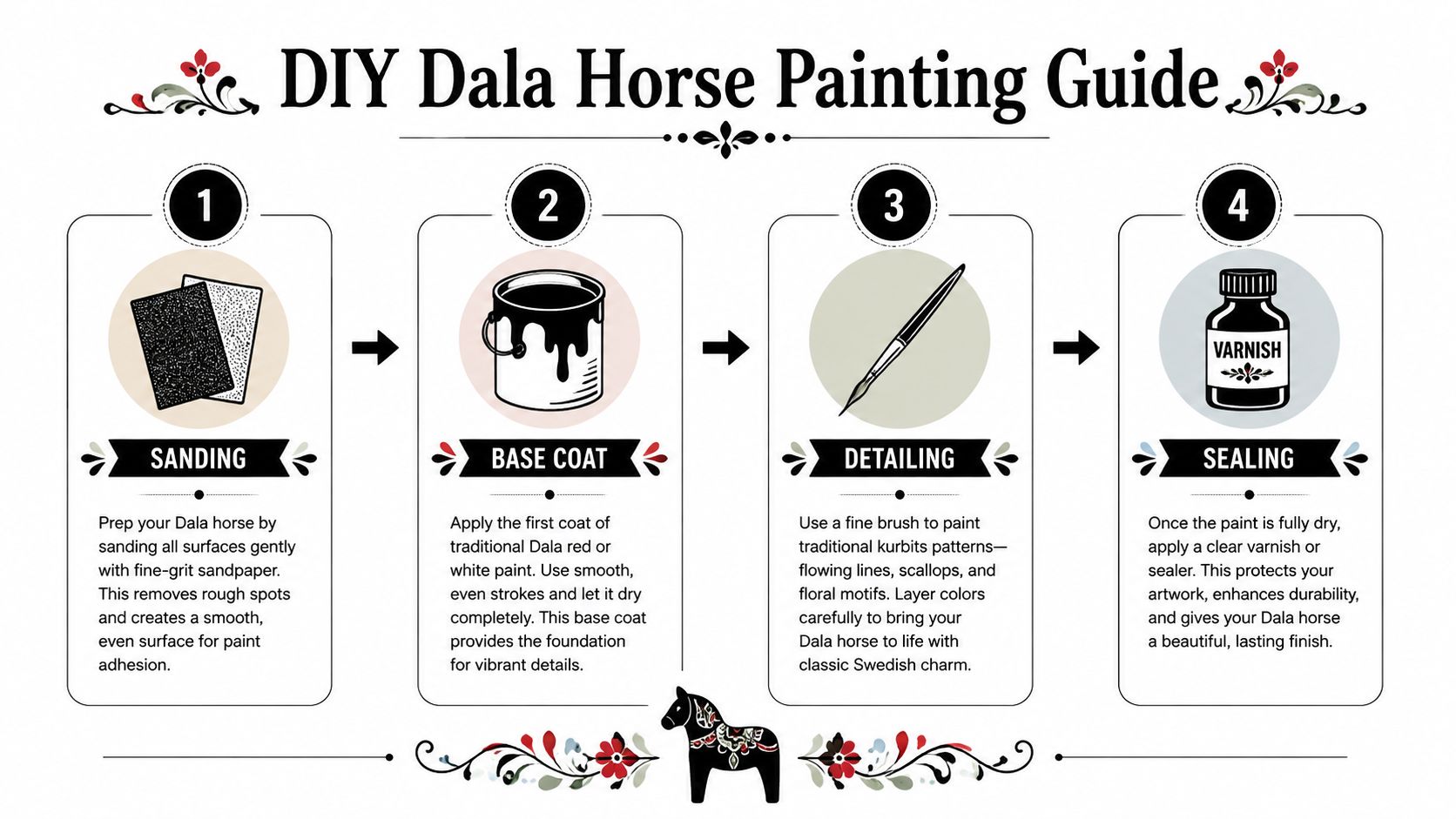
Raw wood needs a little preparation. If you skip this, the paint can catch unevenly and the details won't sit cleanly.
Follow this order:
Don't over-sand. You want the wood ready for paint, not stripped of its character.
Classic Dala horses are often associated with red, but Christmas versions can be beautiful in other shades too. Good choices include red with white and green details, white with red and gold accents, or deep forest green with cream patterning.
If you struggle with colour harmony, a colour mixing chart for paint planning can help you keep the details balanced before you start.
A useful rule is to pick:
That keeps the horse decorative without making it chaotic.
Use a flat brush for the main coat and work in thin layers. Thin layers dry more evenly and reduce visible ridges.
Let the first coat dry fully before adding the second. Most beginners rush here, and that's usually where fingerprints and drag marks appear.
After the base is dry, step back and look at the horse from all sides. If one leg or flank looks patchy, fix it before moving to details. Decorative painting always sits better on a clean foundation.
Here's a visual walkthrough if you prefer to learn by watching:
Traditional kurbits painting can be intricate, but your holiday version doesn't need to be complex. Beginners do well with repeating shapes.
Try this sequence:
Use a fine brush and rest your painting hand against the table for control. If your lines wobble, that's fine. Folk art has life because the hand is visible.
Paint the largest details first, then the smaller flourishes. It's much easier to balance a pattern that way.
The jump from “craft project” to “keepsake” often comes from finishing touches. A sealed surface, a neat underside, and a thoughtful tag all help.
You can enhance the project's presentation by packaging the horse with the tools or materials that made it possible. For niche craft retailers, DIY lines show 14 to 18% higher add-to-cart rates, and bundling them with specialty brushes or eco-safe paints can increase the project's appeal (DIY craft gifting and bundling insight). Even if you're making just one gift, that idea still applies. A small brush, paint pot, or handwritten note about the colours used turns the object into a more complete experience.
Once the details are fully dry, apply a protective finish if appropriate for your paint. A matte or soft-sheen seal often suits folk art better than a high gloss finish.
Then leave the horse alone for a proper drying period. That last wait can feel unnecessary, but it protects all the care you've put in. When you pick it up the next day and the surface feels settled and smooth, it will already feel like a Christmas heirloom.
Beautiful wrapping doesn't need to be wasteful. In fact, Scandinavian wrapping often looks better when it uses simpler, reusable materials. Kraft paper, linen ribbon, twine, and natural decorations have a quieter elegance than glossy seasonal wrap.
This approach also reflects changing shopping habits. Studies from 2024 to 2025 indicate that 72% of millennial and Gen Z consumers prioritise sustainable holiday purchases (sustainable holiday purchase trend). That doesn't mean wrapping has to look austere. It means people increasingly appreciate choices that are both attractive and responsible.
Shiny paper often competes with the gift. Natural wrapping supports it.
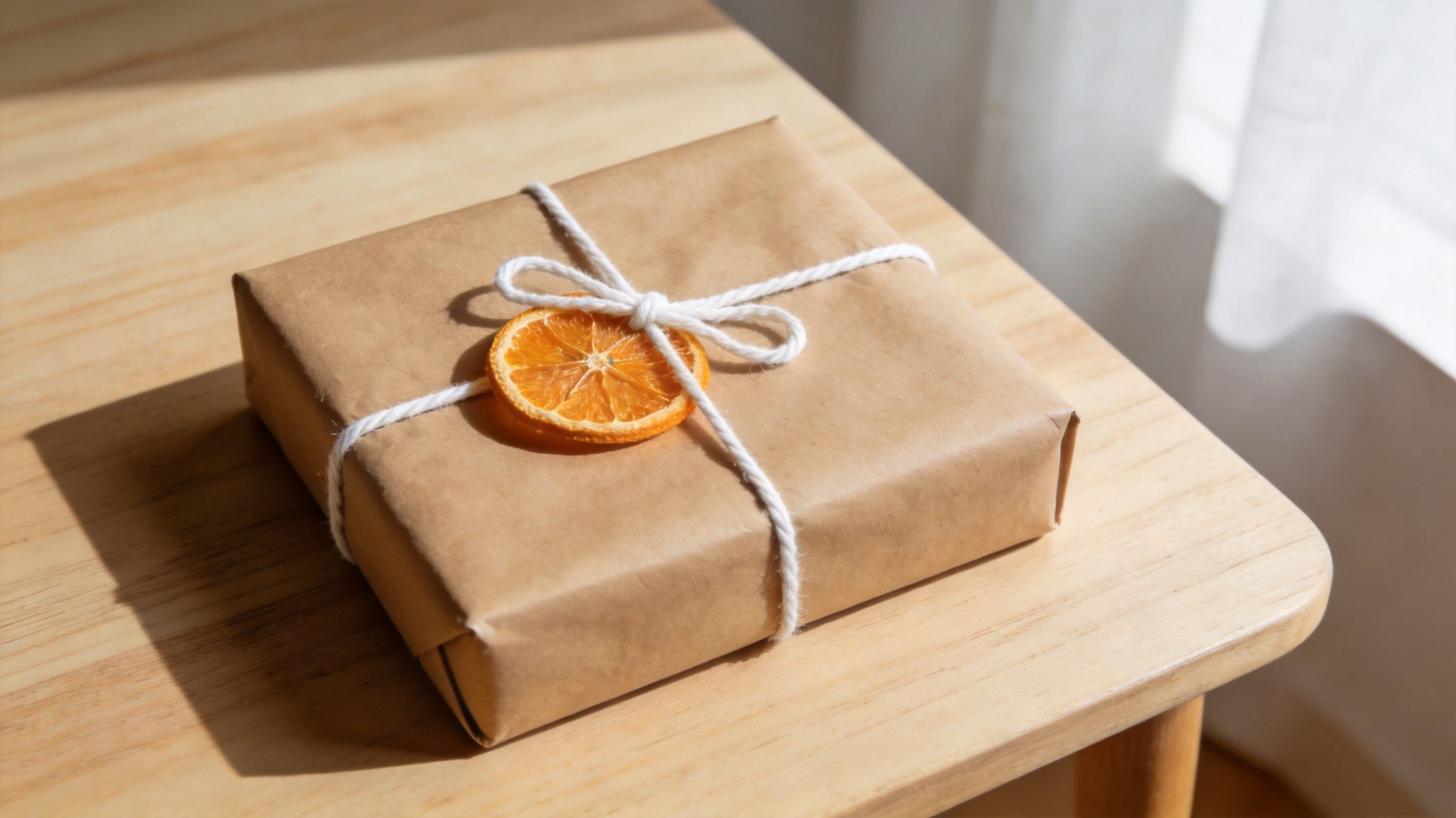
A painted Dala horse already carries colour and ornament. If you wrap it in loud paper, the eye has nowhere to rest. But if you place it in a plain kraft box with white twine and a dried orange slice, the gift feels considered. The wrapping becomes a frame.
These staples work for almost any handmade present:
If you'd like more ideas for presentation, these Christmas gift box ideas show how simple packaging can still feel special.
One option is the paper parcel. Wrap in kraft paper, tie with white string, and tuck a clipped evergreen sprig under the knot.
Another is the fabric wrap. Use a square of linen or cotton, knot it neatly at the top, and attach the card with thread. This works especially well for oddly shaped gifts.
The third is the boxed keepsake. Place the horse in tissue or shredded paper, add a handwritten greeting, and line the inside with a piece of natural cloth the recipient can reuse.
Choose wrapping that the recipient might save. That small decision changes the whole mood of the exchange.
Add one note about what's inside. It can be as simple as “Hand-painted for your home this Christmas” or “Made in the spirit of Swedish winter traditions”. That line turns wrapping into part of the story, not just the outside layer.
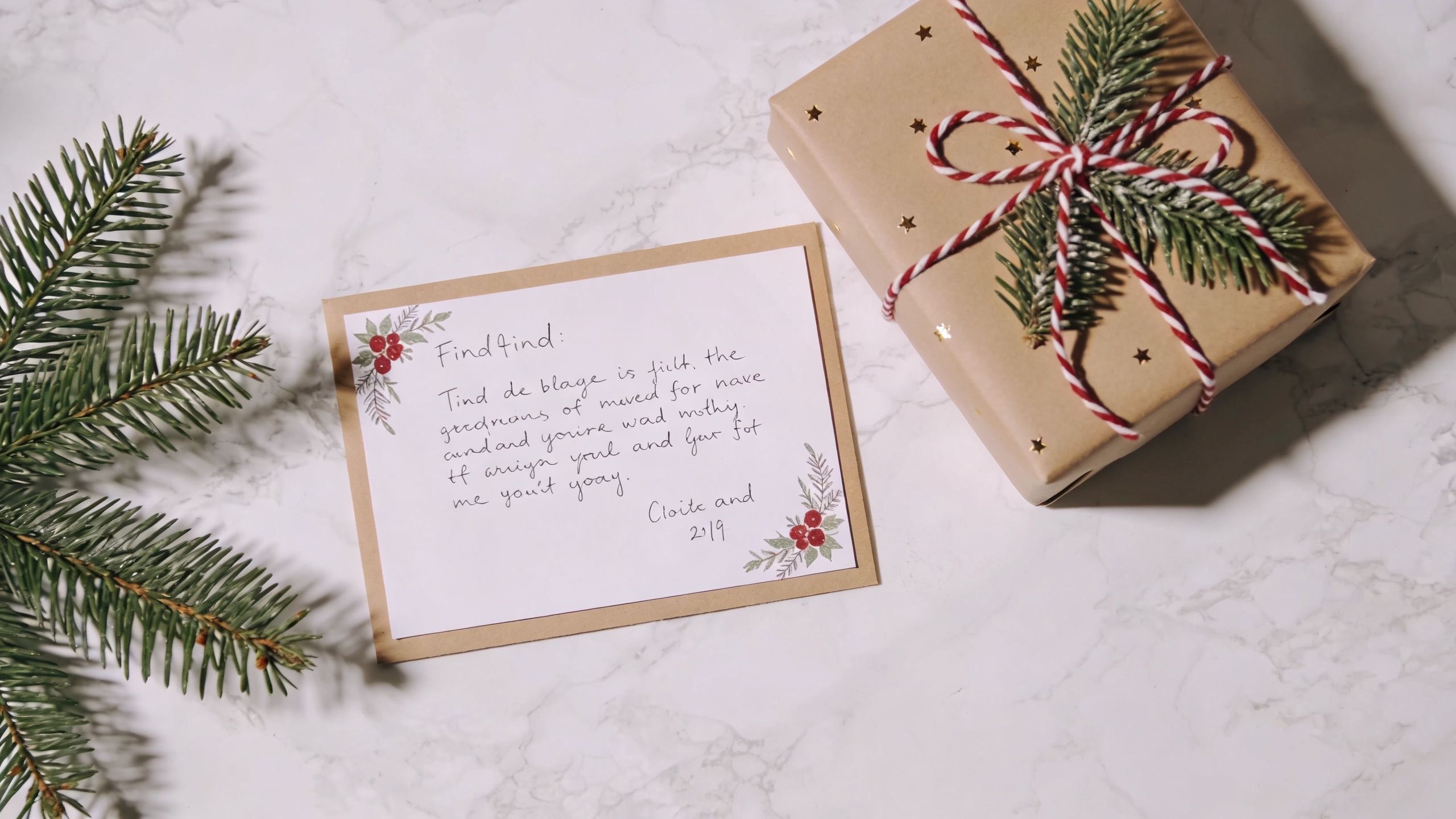
Once your card is written, your horse is painted, and your wrapping is tied, there are two lovely ways to share the result. One is personal and quiet. The other is public and visual. Both benefit from the same principle. Story matters.
For collectors especially, provenance adds meaning. In Nordic craft retail, authenticated limited-run pieces with explicit provenance, such as the artisan's name and origin, achieve conversion rates 19 to 23% higher than generic holiday promotions. That shows how strongly people respond to story and authenticity. In your own gifting, you don't need to turn that into sales language. You need to provide context.
A collector will usually notice details that casual recipients may miss. They'll look at finish, pattern, colour choices, and whether the piece feels connected to a tradition. A handwritten provenance note makes all of that richer.
Include:
You might write something like:
Hand-painted in 2025 in a Swedish folk-art style, with winter red and forest green details, as a Christmas and New Year gift.
That note doesn't need to be grand. It needs to be specific.
If the horse is going to someone who already collects Scandinavian objects, attach the tag in a way that can be kept separately. A folded card tucked inside the box is often better than a tag glued to the piece.
Collectors tend to appreciate details that preserve memory:
Those are the kinds of details people remember years later when they unpack holiday decorations again.
Many handmade gifts look wonderful in person but flat in a hurried phone photo. The fix isn't expensive equipment. It's styling.
Use natural daylight if possible. Place the card, the wrapped gift, and the horse together so the viewer can see the full story. Add one or two supporting elements, such as pine branches, a ceramic bowl, linen cloth, or a wooden tray. Don't add too much. Handmade work needs space around it.
Good photo setups often include:
If you're posting online, write the caption the way you'd speak to a thoughtful friend.
Try one of these:
Merry merry christmas and a happy new year from my craft table to your home. I painted this Dala horse in a Swedish-inspired palette and wrapped it with natural materials for a slower, more meaningful gift.
Wishing you a merry christmas and a happy new year. This year I paired a handwritten card with a hand-painted folk art gift, and I love how the whole tradition feels more personal.
A small handmade wish for the season. Merry merry christmas and a happy new year, with winter colours, simple wrapping, and a little Scandinavian inspiration.
The process. That's often the most engaging part.
Take a few images along the way:
That sequence tells a fuller story than one final polished shot. It also helps others see that the project is achievable.
The handmade object is beautiful. The making of it is what invites people in.
When you share your work with care, whether across a table or on a screen, the phrase merry merry christmas and a happy new year stops being a line you write out of habit. It becomes a complete gesture. Words, craft, memory, and hope, all held together in one small offering.
If you'd like to bring these ideas to life with authentic Swedish folk art, explore Dalaart for hand-carved and hand-painted Dala horses, companion animals, vintage finds, and DIY pieces made in Sweden by skilled artisans. It's a beautiful place to find a meaningful gift, start a collection, or begin your own holiday crafting tradition.


.svg)


.png)


