May 3, 2026
You’ve probably seen one already without knowing its name. A small anime-style doll on a shelf, seated with one knee tucked up, wearing a tiny coat designed with more care than some human clothes, and somehow looking less like a toy and more like a character with a private life. That moment of curiosity is where many collectors begin.
A mini dollfie dream often draws people in because it sits at a lovely crossroads. It has the display presence of an art object, the mechanical interest of a well-designed figure, and the personal charm of something you can style, pose, and slowly make your own. For some collectors, that feels a lot like collecting handcrafted folk objects. You’re not only acquiring an item. You’re learning to notice proportion, finish, material, and the maker’s decisions.
If that sounds appealing but a little overwhelming, the good news is that this corner of the hobby becomes much easier once you understand the basics. The names, body types, clothing labels, and custom options can seem dense at first. They’re manageable when you take them one piece at a time.
Mini Dollfie Dream, often shortened to MDD, belongs to the larger Dollfie Dream family created by Volks. What makes these dolls so enchanting isn’t only their appearance. It’s the combination of softness and structure. They look delicate, but they’re built to be handled, dressed, and posed with intention.
Collectors often fall for them in stages. First it’s the face sculpt or the overall character feel. Then it’s the body engineering. Then, before long, it’s the realisation that every wig, pair of eyes, hand set, and outfit changes the mood completely. An MDD can be sweet, theatrical, modern, nostalgic, playful, or solemn, depending on how you style it.
That’s why many people stay in the hobby. A mini dollfie dream doesn’t feel static. It invites interpretation.
A good MDD collection often grows the way an art collection does. One carefully chosen piece leads to questions about style, craftsmanship, and personal taste.
For newcomers, the most confusing part is usually this: is it a fashion doll, an action figure, or a ball-jointed doll? The answer is that it shares qualities with all three, but it has its own identity. It’s best understood as a premium vinyl collector doll with a highly articulated inner structure and a strong culture of customisation.
Once that clicks, the rest of the hobby starts to make sense.
The easiest way to define a mini dollfie dream is by its place in the Dollfie Dream family. It’s the smaller, more youthful branch of the line, designed with a compact body and an expressive anime aesthetic. While many resin BJDs rely on tension and stringing, Dollfie Dream dolls use soft vinyl over an internal skeleton-style frame. That difference changes how they feel in the hand and how they move in a pose.
A resin BJD often feels like a sculptural object first. It has a firm shell, visible joint engineering, and a certain weight and presence. A mini dollfie dream feels different. The vinyl exterior gives it a smoother silhouette and a softer surface look, while the internal structure handles the articulation.
For a newcomer, that distinction matters because it shapes the entire collecting experience.
If you collect handcrafted objects, this may sound familiar. Two items can belong to the same broad category and still ask to be appreciated differently because of material and construction.
“Mini” doesn’t mean simple or lesser. It means concentrated. The MDD has a smaller footprint, which many collectors love for practical reasons. It fits comfortably in modest display spaces and often feels less daunting to dress, transport, and photograph than a larger doll.
Its appeal also lies in character design. The smaller scale supports a youthful silhouette, and that gives the doll a distinct emotional tone. Some collectors prefer that immediately. Others discover it after handling larger dolls and realising they want something more compact and nimble.
There’s also a strong creative reason to choose this size. A mini dollfie dream can look wonderfully at home in miniature scenes. Furniture, props, shelves, and room boxes often feel more approachable at this scale, so your display can become more narrative.
Collector’s perspective: If a larger doll feels like a centrepiece sculpture, an MDD often feels like a character waiting to be staged.
That’s the heart of its identity. It isn’t only a smaller doll. It’s a smaller format for storytelling, styling, and craftsmanship.
Numbers matter with dolls because scale affects everything. It affects what fits, where the doll can sit, what furniture looks believable, and how stable a pose feels in a display. For MDD collectors, learning the body measurements saves a lot of frustration.
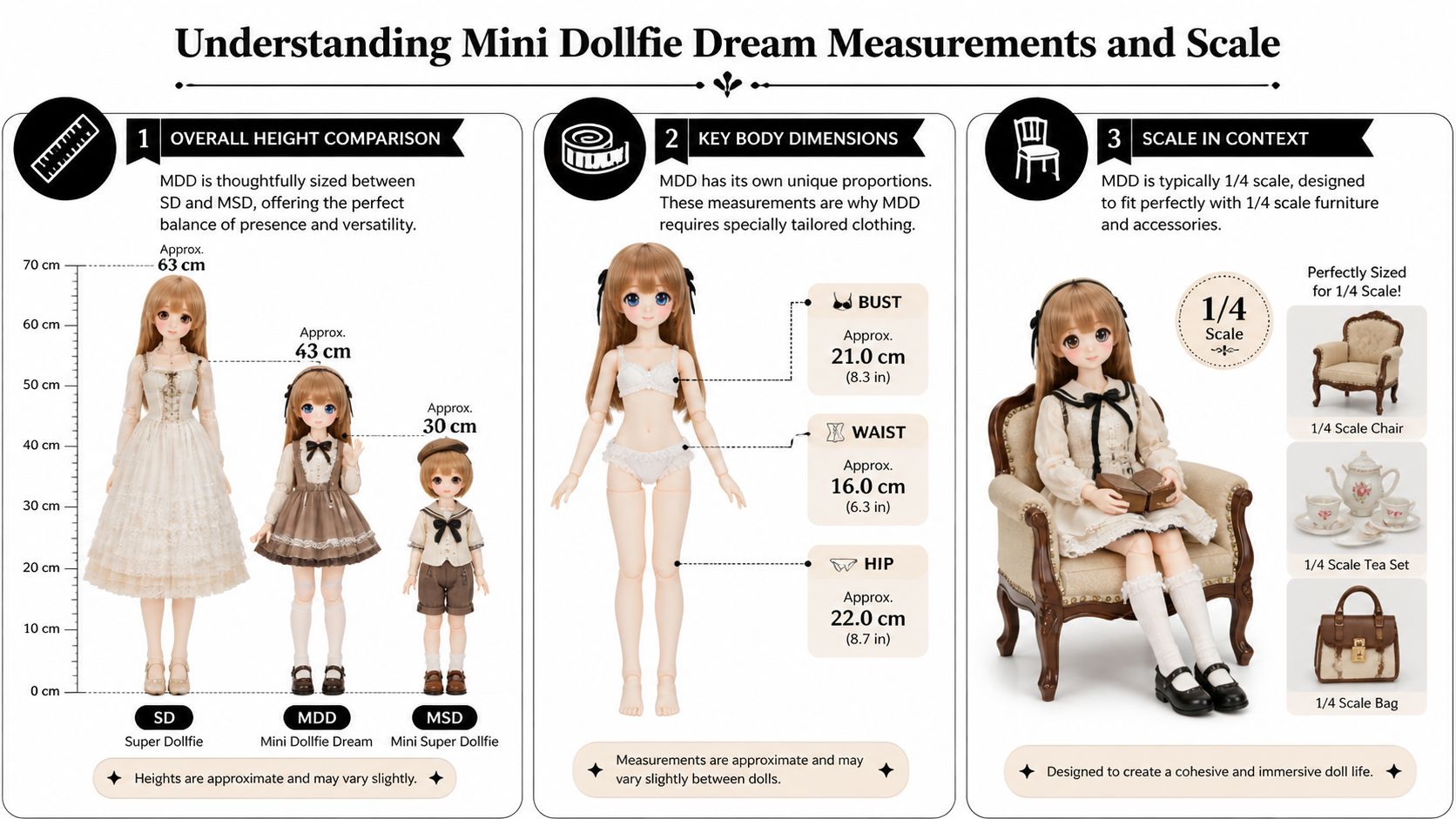
According to DollMoon’s Dollfie Dream size guide, Mini Dollfie Dream bodies stand at approximately 435 mm (43.5 cm), with an S chest circumference of 155 mm, waist of 135 mm, and hips of 185 mm. The same source notes that the compact body uses an internal ABS resin frame, called the Dollfie Dream Inner Frame, with 14 points of articulation.
A new collector often sees measurements and thinks, “Fine, but what does that change?” Quite a lot.
The height tells you the doll is compact enough to display in places where a larger doll might dominate the shelf. The bust, waist, and hip measurements tell you why “close enough” clothing often isn’t close enough at all. A dress that works for another 1/4 scale doll may close awkwardly, sit too high at the waist, or distort the intended silhouette.
The internal frame is just as important as the tape-measure details. Because the frame sits beneath the vinyl exterior, the doll can hold expressive poses while keeping a smoother outer form. That’s one reason many collectors describe MDDs as elegant to photograph. You get motion and softness together.
The MDD body is one of those designs that becomes more impressive the longer you live with it. The 14-point articulation noted in the size reference is not a spec for its own sake. It affects gesture. A slight turn of the shoulders, a bent knee, a tilted seated pose, or the way the arms frame a prop all become easier to refine.
Here’s where beginners often get confused:
Practical rule: When you shop for clothes, shoes, or furniture, start with the body measurements before you start with the label.
Another useful point from the same DollMoon reference is that this compact scale supports posing versatility. That’s easy to believe once you handle one. The body doesn’t fight you as much as many newcomers expect. It feels built for little scenes and expressive stance changes, not just for standing stiffly in one outfit.
For a collector who enjoys craftsmanship, this is one of the joys of the mini dollfie dream. The measurements aren’t dry technical data. They’re the map to how the doll occupies space.
Personalization defines the hobby. A base doll can be lovely on its own, but customisation is what turns it into your character. That doesn’t mean you need advanced skills on day one. It means learning which parts shape the doll’s identity most strongly.
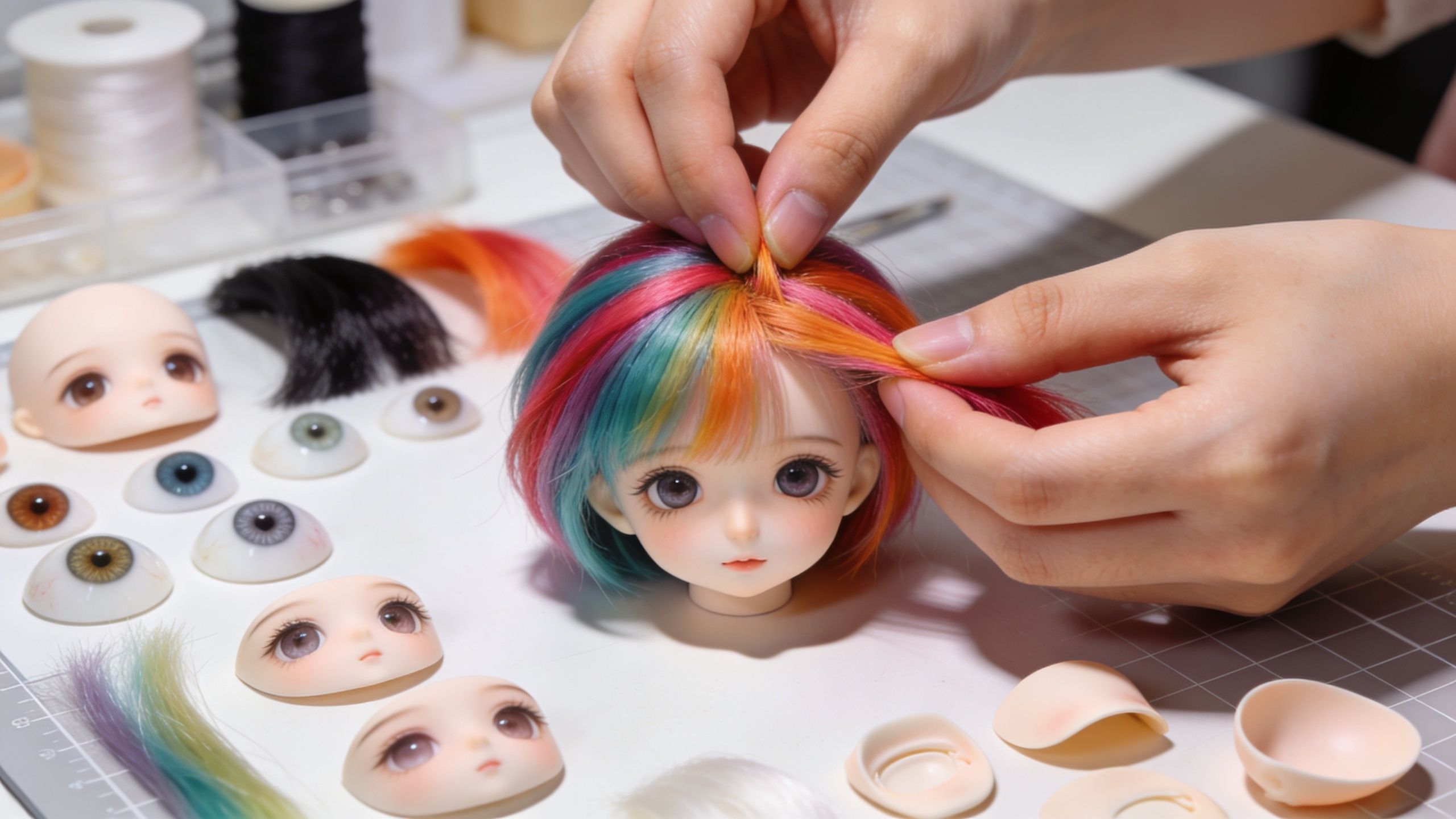
For most collectors, the biggest visual shifts come from a handful of choices.
Some collectors build a whole concept before buying anything. Others start with one head they love and discover the character gradually. Both approaches work.
If you’re painting accessories, props, or tiny set pieces to support that character, a good miniature paint reference helps. Dalaart’s guide to a colour mixing chart for miniature painting is useful when you want your props and display elements to harmonise with the doll’s palette.
The body version also shapes the custom experience. According to Misaki’s Dollfie type overview, the DD-f³ body iteration introduced upgraded joint architecture, including full-action resin hands with 360° wrist swivel and finger splaying. The same source states that it allows up to 120° hip abduction without vinyl creasing, described there as a 25% improvement over older models.
For a collector, that means several very practical things.
That’s the sort of technical improvement that transforms enjoyment. A newcomer might assume body revisions are only for specialists. They’re not. Better engineering makes the doll friendlier to style and photograph.
If you want a doll that feels expressive in motion, body design matters just as much as the face sculpt.
You don’t need to customise everything at once. A sensible starting path looks like this:
That flexibility is one reason the mini dollfie dream hobby stays fresh. The doll keeps changing as your taste sharpens.
Clothing is where many new collectors hit their first practical wall. An outfit may be labelled 1/4 scale and still fit poorly. Another may be sold for a similar doll line and work beautifully. Dressing an MDD is part sewing logic, part shopping experience, and part trial and error.
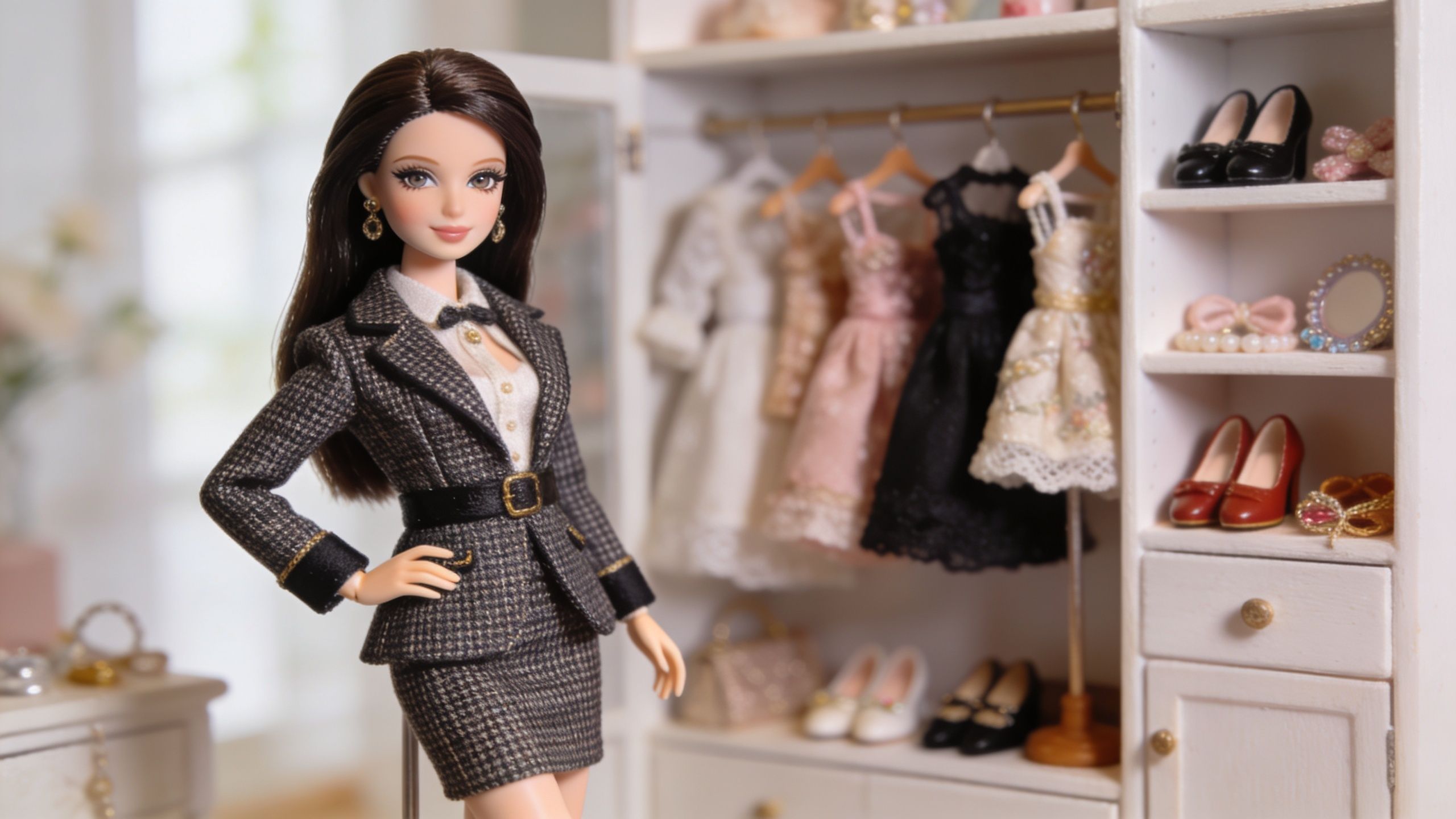
The most useful clothing labels for a mini dollfie dream usually include MDD size, 1/4 scale, and sometimes YoSD for selected items. Those terms aren’t interchangeable, and that’s where confusion starts.
MDD-specific items are usually the safest choice because they’re made with the body’s proportions in mind. General 1/4 scale clothing may work well for loose garments, layered pieces, or accessories, but fitted items can be unpredictable. YoSD-labelled pieces can sometimes work for simpler garments, though proportions vary and you should expect inconsistency.
A collector learns quickly to look beyond the label and study the cut. A coat with generous ease may work across several doll types. Fitted shorts, socks, bodysuits, and shoes are less forgiving.
There are three broad routes.
Each route has its own pleasure. Official clothing can feel cohesive and dependable. Independent work often has more character. Commissioned pieces can become the emotional centre of a doll’s wardrobe.
Dark fabrics deserve caution. If a garment is heavily dyed, many collectors use a protective layer between the fabric and the doll’s vinyl.
When choosing clothes, think like a costume designer rather than a shopper. Ask what line the garment creates. Does the hem sit where you want it? Do the sleeves make the hands disappear? Does the collar crowd the face? The most successful MDD outfits usually respect the doll’s proportions instead of mimicking human fashion.
Shoes are another common stumbling block. Foot shape, foot type, and intended style all affect fit, so many collectors test shoes with patience rather than assuming any small pair will do.
That may sound finicky, but it’s part of the artistry. Dressing a mini dollfie dream is less about buying lots and more about choosing pieces that speak to the same character.
Your first purchase can feel thrilling and slightly nerve-racking. That’s normal. MDD collecting has enough specialist terminology and enough secondary-market activity to make caution worthwhile. The good news is that a careful buyer can avoid most of the common mistakes.
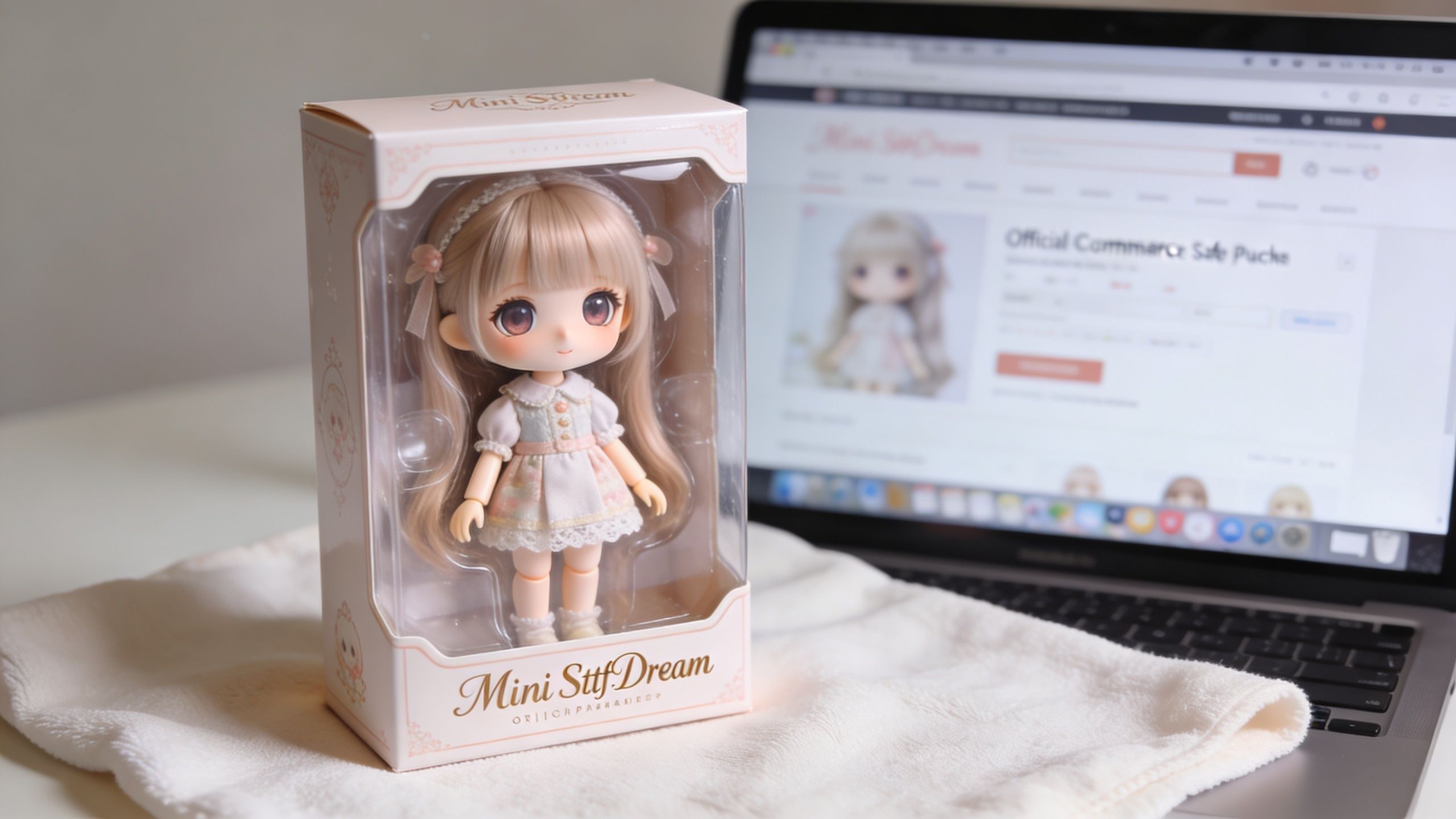
For most newcomers, the safest route is the official retail channel through Volks. That path gives you the highest confidence in authenticity and condition. It also helps you learn the standard naming and packaging conventions before you explore older releases or secondhand listings.
The secondhand market can be excellent, but it rewards patience. If you rush because you’re afraid of missing out, you’re more likely to overlook condition notes, mismatched parts, or suspicious listings.
A sensible buying mindset is simple: authenticity first, excitement second.
When looking at a listing, pay attention to the parts included and the condition language. A doll may be sold as a full set, a body only, a head only, or a partial custom. None of those options is automatically bad. You just need to know exactly what you’re paying for.
Use a checklist like this:
If you’re browsing broader online marketplaces, it helps to understand how to evaluate listings and seller reliability. Dalaart’s article on using eBay in Sweden offers practical buying habits that also apply to collector purchases in general.
Counterfeits and misleading listings are the main reason experienced collectors sound so careful. They’re not trying to make the hobby feel forbidding. They’re protecting both your money and your enthusiasm. A disappointing first purchase can sour what should be a joyful experience.
Buy the seller as much as the doll. Clear photos, direct answers, and honest condition notes usually matter more than a tempting price.
If you’re choosing between a slightly pricier trustworthy listing and a vague bargain, the trustworthy listing is often the better long-term decision. Collecting becomes far more enjoyable when you know the doll in your hands is exactly what you intended to buy.
An MDD rewards gentle, regular care. You don’t need a museum routine, but you do need good habits. Vinyl can stain, wigs can transfer colour, and dust has a way of settling into every lovely little fold of clothing.
Staining is the issue collectors mention most often, and for good reason. Dark fabrics, saturated wig caps, and certain accessories can transfer colour onto vinyl. Prevention is much easier than removal, so many collectors use a protective bodysuit or barrier layer under clothing, especially under dark garments.
Light is the other quiet concern. Long exposure to strong sunlight or harsh UV can affect materials over time. A stable indoor display spot is usually better than a bright windowsill.
If you only remember two care habits, remember these:
Routine care should be gentle. Dust the doll, inspect the outfit, and look for any sign that a garment is rubbing, staining, or pulling awkwardly at the joints. If a mark appears on plain vinyl, collectors often clean carefully with mild methods, avoiding any painted areas.
That last point matters. Face-ups, blush, and detailed finishing need different treatment from unpainted vinyl. A cleaning method that helps one area can damage another.
Never treat painted sections as if they were bare vinyl. Custom work needs a lighter touch and much more restraint.
If the doll isn’t on display, store it in a clean, dry place with clothing that won’t transfer dye. Loosely arranged storage is usually better than forcing limbs into cramped positions for long periods. A doll that’s dressed in a heavily fitted outfit for months can develop pressure points or hidden transfer risks.
Wigs also deserve care. Brush gently, store neatly, and keep an eye on any cap material that may leave colour behind. If a wig tangles easily, handling it less often may help more than repeatedly trying to restyle it.
A mini dollfie dream tends to age best when it’s enjoyed thoughtfully. Regular checks, careful outfit choices, and calm handling do more than any dramatic rescue technique.
Most collectors begin alone, even if they discovered the hobby through photos online. Then something shifts. You post a question about wig size, body choice, or clothing fit, and suddenly people from different countries are comparing notes, sharing old release photos, and offering practical advice that saves you weeks of confusion.
That’s one of the best things about MDD collecting. It’s intimate, but it isn’t isolated.
Long-running hobby forums remain valuable because they preserve years of discussion, comparison photos, and collector experience. Social media adds a different kind of help. It gives you daily inspiration, styling ideas, and a better sense of how dolls look outside polished promotional photography.
If you enjoy making props or room settings, Dalaart’s guide to 3D printable miniatures can spark ideas for building a more immersive display around your doll.
The MDD world is global, but resources aren’t evenly distributed. According to the Dollfie overview on Wikipedia, BJD adoption in Southeast Europe grew 25% year over year in a 2025 Den of Angels poll, which points to growing interest in regions that still have fewer local resources for this specific niche. That matters because a mini dollfie dream collector often depends on shared knowledge. The hobby becomes easier when someone nearby has already tested a shop, translated a term, or compared body compatibility.
For a newcomer, that can be reassuring. You don’t need a large local scene to belong here. Many collectors build their knowledge through scattered but generous networks.
Sometimes the fastest way to solve an MDD problem is to ask another collector who has already made the exact mistake.
That collaborative spirit gives the hobby warmth. People aren’t only showing what they own. They’re preserving practical knowledge about craftsmanship, parts, styling, and care. In that sense, mini dollfie dream collecting resembles any tradition-minded collecting field. The objects matter, but the shared language around them matters too.
If you enjoy collectible objects that combine artistry, heritage, and personal expression, Dalaart is worth exploring. Its collection of authentic Swedish Dala horses and companion animals offers the same pleasure many doll collectors value: hand-finished character, strong design traditions, and pieces that feel meaningful whether you display them, gift them, or make them part of a wider creative world.


.svg)


.png)


