December 2, 2025
When most people think of Sweden, images of sleek, flat-pack furniture and tasty meatballs often come to mind. While these are certainly part of the picture, the true soul of Swedish culture is found in a rich tapestry of traditions, philosophies, and everyday rituals that extend far beyond the showroom floor. Understanding these customs offers a much deeper appreciation for the Swedish way of life, revealing a society that values balance, community, and a profound connection to nature. This guide is designed to explore the most iconic and typical Swedish things that define this fascinating Nordic nation.
We will move past the stereotypes to delve into the cherished foods, design principles, and social rituals woven into the fabric of daily life. From the simple, restorative joy of a shared coffee break known as fika to the nationwide celebrations of Midsummer, each element tells a story. You will discover the meaning behind concepts like lagom, the art of moderation, and the history of beloved folk art. Join us as we uncover the authentic stories behind these traditions, offering practical insights on how to experience, appreciate, and incorporate a touch of Swedish heritage into your own home and lifestyle.
The Dala horse, or Dalahäst, is arguably one of the most recognisable symbols of Sweden. Far more than a simple souvenir, this brightly painted wooden horse represents a deep-rooted history of craftsmanship, resilience, and folk art originating from the Dalarna region. These iconic figures were first carved by woodsmen during long, dark winters in the 18th century, intended as simple toys for their children. Over time, they evolved into a cherished national emblem.
What makes the Dalahäst one of the most typical Swedish things is its authenticity; each horse is still traditionally hand-carved from pine and hand-painted with a distinctive, vibrant kurbits (a fantasy floral) pattern. The most traditional colour is a brilliant vermilion red, but they can be found in a spectrum of colours, each with its own local significance. This dedication to handicraft means no two horses are exactly alike, making each a unique piece of art.
Insider Insight: The Dala horse became an international icon after being presented as a symbol of Sweden at the 1939 New York World's Fair. Its simple, sturdy form and cheerful decoration captured the world's imagination, cementing its status as a beloved national treasure.
More than just a coffee break, fika is a cherished social institution and a cornerstone of Swedish culture. It’s the ritual of slowing down to share a cup of coffee and a sweet treat, like a cinnamon bun (kanelbulle), with colleagues, friends, or family. This deliberate pause is deeply embedded in the national psyche, representing a commitment to work-life balance, community, and mindful moments away from the daily grind.

What makes fika one of the most typical Swedish things is its universal practice across all sectors of society, from corporate offices to government agencies. It's a non-negotiable part of the workday, often scheduled around 10 a.m. and 3 p.m. This isn't a solitary desk-side caffeine fix; it’s a communal act that fosters connection and breaks down hierarchical barriers. The focus is on genuine social interaction, making it a powerful tool for both team building and personal well-being.
Insider Insight: The word fika is believed to be a reversed slang version of the 19th-century word for coffee, kaffi. Today, it functions as both a noun ("Let's have a fika") and a verb ("Do you want to fika?"), highlighting its integral role in the Swedish language and daily life.
Swedish design is a masterclass in understated elegance, defined by the principles of minimalism, functionality, and a profound connection to nature. This design philosophy, which gained international acclaim in the mid-20th century, prioritises clean lines, uncluttered spaces, and sustainable, high-quality materials. It’s a direct reflection of the Swedish value of lagom (just the right amount), creating homes that are calm, organised, and deeply practical.
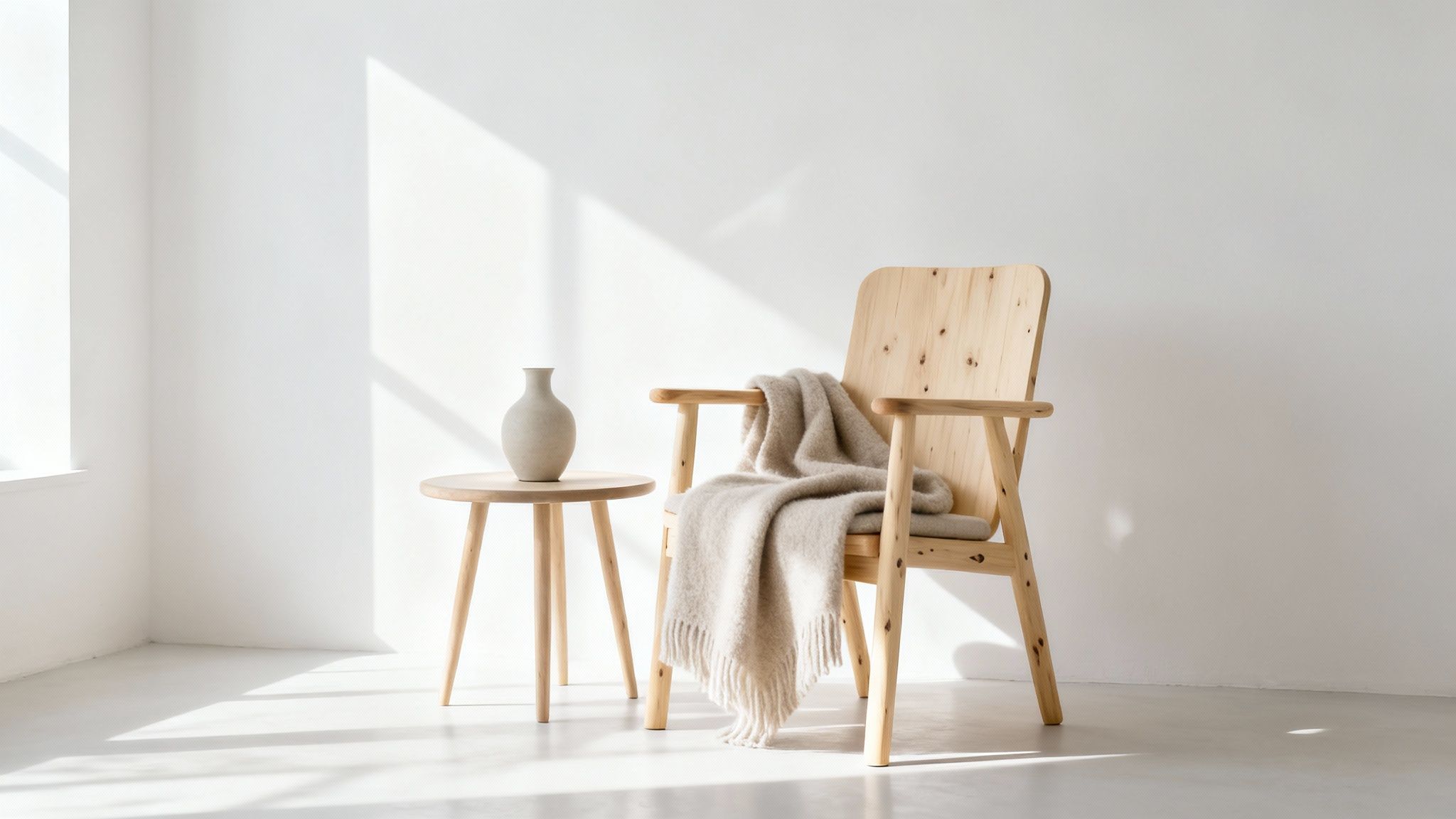
What makes this aesthetic one of the most typical Swedish things is its democratic approach; good design should be accessible to everyone. Pioneers like IKEA founder Ingvar Kamprad and designers Bruno Mathsson and Carl Malmsten championed this idea, creating beautiful, functional pieces for everyday life. This ethos is visible in everything from iconic String shelving systems to the thoughtful interior of an average Swedish home, where light, form, and purpose work in perfect harmony.
Insider Insight: The core Swedish concept of "form follows function" doesn't mean aesthetics are secondary. Instead, it suggests that an object's beauty is inherent in its perfect suitability for its purpose. This is why a well-designed Swedish chair is not only comfortable but also a sculptural piece of art.
The Swedish cinnamon bun, or kanelbulle, is far more than just a pastry; it's a cultural institution and the undisputed heart of the Swedish coffee break, fika. This soft, spiralled yeast-leavened dough is generously filled with a rich blend of butter, sugar, and cinnamon, creating a flavour profile that is both comforting and aromatic. Unlike its American counterpart, the Swedish version is less sweet and often subtly spiced with cardamom in the dough, giving it a distinctive, fragrant character.
What makes the kanelbulle one of the most typical Swedish things is its deep integration into daily life. It is the centrepiece of social gatherings, workplace breaks, and cosy moments at home. This national love for the pastry is so profound that it’s celebrated with its own national day, Kanelbullens Dag, on October 4th. Topped with crunchy pearl sugar rather than a heavy icing, its appearance is as iconic as its taste.
Insider Insight: The tradition of Kanelbullens Dag (Cinnamon Bun Day) was established in 1999 by the Home Baking Council (Hembakningsrådet) to celebrate Sweden's rich home-baking heritage. It was a marketing success that quickly became a cherished annual tradition, with bakeries and homes across the country filled with the scent of cinnamon.
Midsummer, or Midsommar, is arguably the most important and beloved holiday in the Swedish calendar, rivalling even Christmas. This vibrant festival celebrates the summer solstice, the longest day of the year, and is deeply rooted in pagan traditions that welcome summer and fertility. Swedes flock to the countryside to gather with family and friends, weaving flower crowns, raising and dancing around a decorated maypole (midsommarstång), and singing traditional songs.
What makes Midsummer one of the most typical Swedish things is its profound connection to nature and community. The day is filled with specific rituals, from picking seven different types of flowers to place under your pillow (to dream of your future spouse) to enjoying a classic meal of pickled herring, new potatoes with dill, and fresh strawberries for dessert. It's a joyful, slightly chaotic, and quintessentially Swedish expression of light triumphing over darkness.
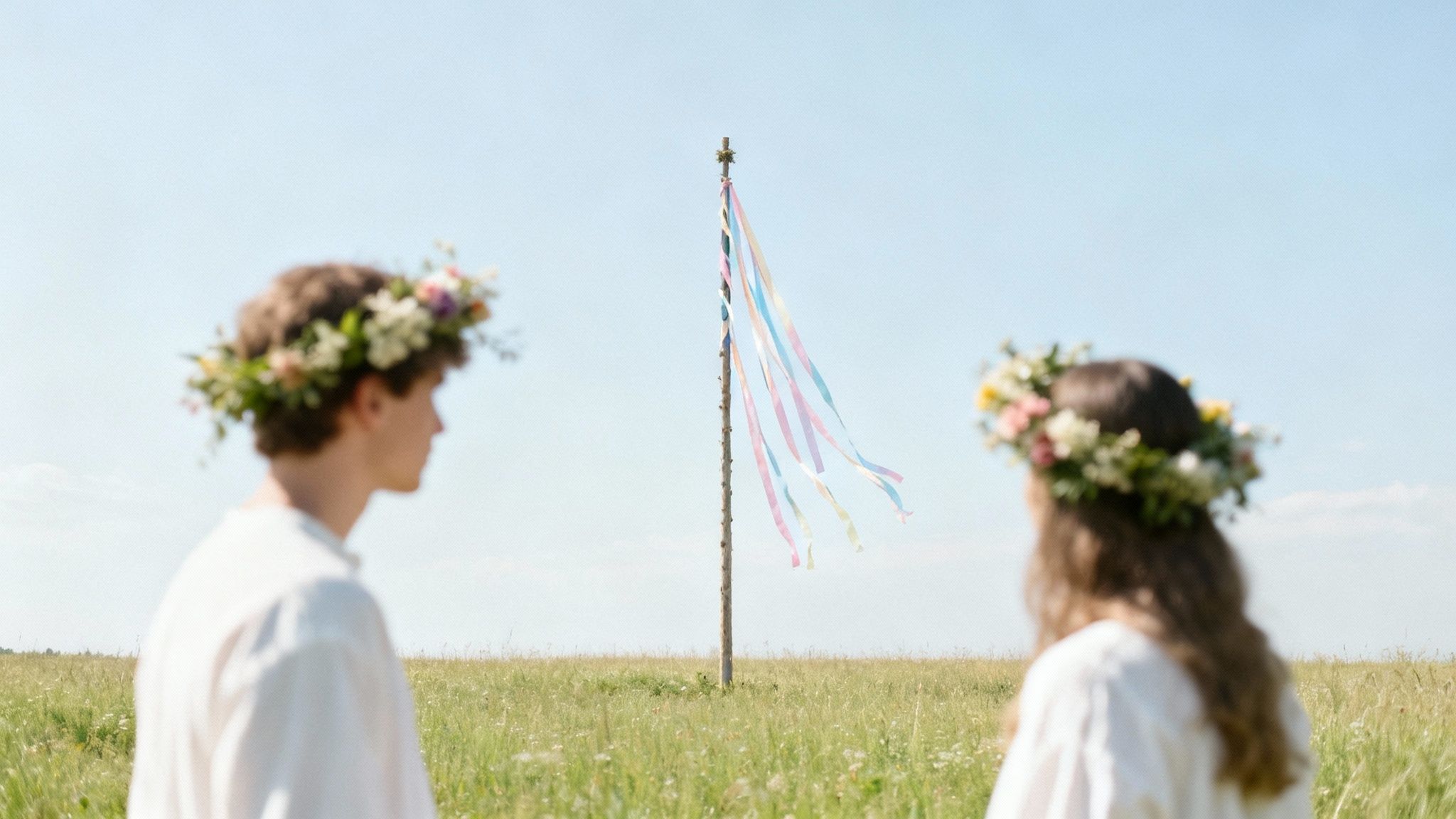
Insider Insight: The magic of Midsummer Eve is steeped in folklore and a touch of mystique. Ancient beliefs held that the boundary between the physical and supernatural worlds was blurred on this night, making it a powerful time for rituals and fortune-telling. This ancient atmosphere still lingers in the modern celebrations.
While Finland is often seen as the global epicentre of sauna culture, Sweden has its own deep and cherished tradition of the bastu. More than just a hot room, the Swedish sauna is a social and wellness ritual, a place for quiet contemplation, relaxation, and rejuvenation. This practice involves cycles of intense dry heat followed by a refreshing cool-down, often with a plunge into a cold lake or a roll in the snow.
What makes the sauna one of the most typical Swedish things is its integration into daily life, from modern city spas to rustic wooden huts by a forest lake. It embodies the Swedish appreciation for nature, wellbeing, and finding balance. This ritual is not about endurance but about listening to one's body, promoting both physical health through improved circulation and mental clarity by providing a serene escape from daily stresses.
Insider Insight: The concept of lördagsgodis (Saturday sweets) has a wellness counterpart in the lördagsbastu (Saturday sauna). For many families, the Saturday sauna is a time-honoured weekly tradition to unwind and connect, marking a clear boundary between the working week and the weekend.
Surströmming, or fermented Baltic Sea herring, is one of the most divisive and talked-about Swedish culinary traditions. This dish is not for the faint of heart; its origins lie in 16th-century preservation methods when salt was expensive, forcing fishermen to use just enough to prevent the fish from rotting while allowing it to ferment. The result is an intensely pungent aroma that has become legendary, a scent so strong it's often compared to rotten eggs or sewage.
What makes surströmming one of the most typical Swedish things is its role as a cultural rite of passage. Eaten during late-summer parties known as surströmmingsskiva, it represents a deep connection to Sweden’s resourceful past. Despite its challenging nature, it is a delicacy enjoyed by many Swedes who appreciate its complex, savoury, and acidic flavour profile that lies beneath the powerful smell. It's a true test of an adventurous palate.
Insider Insight: The tins are famously known to bulge due to the ongoing fermentation process. This is a sign that the surströmming is ready and not that it has gone bad. Airlines have banned carrying the cans on flights, fearing they might rupture under pressure.
More a philosophy than a tangible item, lagom is a fundamental concept that permeates nearly every aspect of Swedish life. The untranslatable word roughly means 'not too little, not too much, just right,' embodying a deeply ingrained cultural ideal of moderation, fairness, and balance. From sustainable environmental policies to sensible food portions and collaborative workplace dynamics, lagom champions the idea that the optimal amount is superior to excess.
What makes lagom one of the most typical Swedish things is its quiet influence on the national psyche. It's a rejection of extremes, favouring consensus, functionality, and long-term well-being over ostentatious displays or short-term gains. This principle of 'enough' guides decisions in design, social etiquette, and even work-life balance, fostering a society that values contentment and collective harmony over individualistic pursuit. It is the subtle engine driving Sweden's reputation for social equality and sustainability.
Insider Insight: Unlike the Danish concept of hygge, which is about seeking cosy contentment, lagom is less an activity and more a state of mind. It’s an active, conscious choice to find the perfect equilibrium, making it a powerful tool for achieving a more sustainable and less stressful lifestyle.
Swedish glass, known globally for its brilliant clarity and innovative design, is a cornerstone of the nation’s artistic identity. This tradition is epitomised by world-renowned glassworks like Orrefors and Kosta Boda, both originating from the Småland region, famously known as the "Kingdom of Crystal." Since the 18th century, these workshops have blended technical mastery with bold artistic vision, transforming a simple mixture of sand, soda, and lime into breathtaking works of art.
What makes Swedish glass one of the most typical Swedish things is its seamless fusion of function and artistry. Pieces range from elegant, everyday tableware to unique, sculptural art glass that pushes the boundaries of the medium. The collaboration between skilled glassblowers and visionary designers like Erik Höglund and Simon Gate has produced iconic collections that are celebrated in museums and homes worldwide. This commitment to quality and design excellence makes each piece a testament to a vibrant, living heritage.
Insider Insight: Many of Sweden's most famous glass designers began their careers experimenting directly on the factory floor. This hands-on collaboration between artist and artisan is a hallmark of the Swedish glass industry and is credited with fostering the constant innovation and creativity for which it is known.
The Swedish approach to education is one of the most foundational, yet often unseen, typical Swedish things influencing the nation’s culture. Rooted in a child-centred philosophy, it emphasises play-based learning, creativity, and social development over rigid academic testing, especially in early years (förskola). This system draws inspiration from progressive models like Waldorf and Montessori, prioritising critical thinking, student autonomy, and a deep connection to nature. It reflects core Swedish values of equality, sustainability, and holistic well-being.
What makes this educational philosophy so characteristically Swedish is its focus on the whole person and its integration of the outdoors. The concept of skogen på schemat (forest on the timetable) is common, where children learn through direct experience in nature, fostering resilience and environmental consciousness from a young age. This nurturing, low-pressure environment is designed to cultivate curious, self-sufficient, and collaborative individuals, shaping the egalitarian and innovative society Sweden is known for.
Insider Insight: The Swedish principle of "the right of the child to be a child" is enshrined in the national curriculum. This legally protects the importance of play and holistic development in early education, viewing it not as a break from learning but as the primary method of learning itself.
From the hearty warmth of a shared plate of köttbullar to the mindful quiet of a daily fika, the journey through these typical Swedish things reveals a culture deeply rooted in balance, community, and an appreciation for life’s simple, meaningful moments. We’ve explored how traditions are not just historical footnotes but active, living parts of the Swedish identity. The concept of lagom, or finding what is ‘just right’, is not merely a philosophical idea; it is a practical guide that influences everything from the clean lines of Scandinavian minimalist design to the focus on moderation in daily life.
The vibrant celebrations of Midsummer and the invigorating ritual of the sauna culture underscore a profound connection to nature and the changing seasons. These practices offer a blueprint for slowing down, disconnecting from digital noise, and reconnecting with both the environment and each other. Similarly, the meticulous artistry found in Swedish glass and crystal from makers like Orrefors and Kosta Boda showcases a national respect for craftsmanship, quality, and timeless beauty. Even the infamous surströmming challenges us to embrace experiences that are authentic and steeped in history, regardless of their mainstream appeal.
To truly integrate these concepts, focus on the underlying principles rather than just the objects themselves.
Ultimately, mastering these elements is about more than just adopting new habits; it’s about shifting your perspective. It’s about prioritising well-being, cherishing community, and finding profound joy in the understated elegance of a well-balanced life. By weaving these typical Swedish things into your daily routine, you are not just decorating your home or trying new recipes, you are cultivating a more intentional, harmonious, and connected existence. This is the enduring gift of Swedish heritage: a reminder that the richest life is often the one that is perfectly, beautifully lagom.
Ready to bring an iconic piece of Swedish folk art into your home? Discover authentic, hand-carved and painted Dala horses at Dalaart. Explore the collection at Dalaart to find a timeless symbol of Sweden's rich artisanal heritage.


.svg)


.png)


