April 27, 2026
You’ve arranged the sofa. The rug is down. The lamp gives off a soft glow. Yet the room still feels unfinished.
That flat feeling often comes from the walls. A room can have lovely furniture and a balanced colour palette, but if every surface sits on a single plane, the whole space can read as careful rather than alive. 3d wall art then changes the mood. It introduces shadow, relief, and movement. It gives your eye somewhere to travel.
Not all depth on a wall comes from oversized modern panels or visual tricks. Some of the most compelling examples are quieter and more lasting. A carved wooden form, a layered piece made by hand, or a folk sculpture with a visible history can do more than decorate. It can bring a sense of place into a room.
A common decorating story goes like this. Someone paints the walls, invests in a good sofa, hangs a framed print above the mantel, and steps back expecting the room to click into place. Instead, the result feels polite. Pleasant, but thin. The wall is filled, yet it still doesn’t hold attention.
That’s usually not a problem of taste. It’s a problem of dimension.
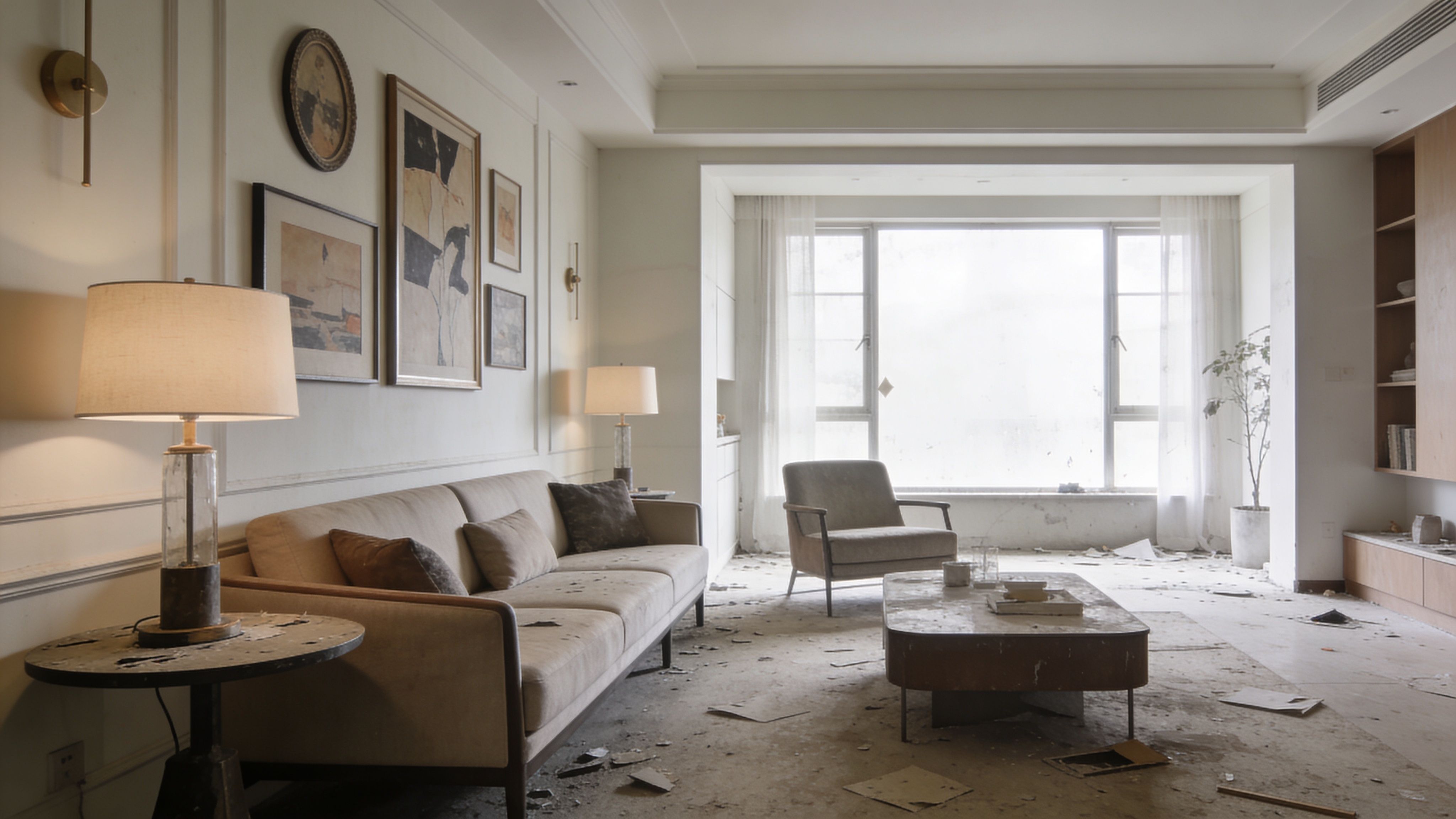
3d wall art solves that by bringing form off the wall or recessing it into layers so that light has something to work with. A flat print gives you colour and imagery. A dimensional piece gives you colour, shape, texture, shadow, and changing presence from morning to evening. It doesn’t just sit there. It interacts with the room.
That helps explain why interest in this category is strong. The European 3D wall panels market, including the Scandinavian region, was valued at $1.79 billion in 2023, a sign of strong demand for interior decor that adds dimension and texture to residential spaces, according to Cognitive Market Research on the European 3D wall panels market.
The problem is often noticed before its design language is known. Those noticing it describe a room as feeling blank, cold, or one-note. Often, what they’re responding to is the absence of contrast in surface depth.
A few familiar situations tend to benefit most from dimensional wall pieces:
Practical rule: If a room feels finished at floor level but empty at eye level, the answer often isn’t more furniture. It’s more depth on the wall.
There’s another reason 3d wall art has become so appealing. People don’t only want homes that look styled. They want homes that feel personal. A dimensional object can carry craft, memory, and cultural meaning in a way many mass-produced pieces cannot.
That’s especially true when the art comes from a living craft tradition. A hand-carved folk sculpture doesn’t only cast a better shadow. It carries the hand of the maker, the material of a place, and a style shaped over generations.
When people hear 3d wall art, they often think of one narrow category. They picture geometric panels, trick-of-the-eye prints, or sleek contemporary reliefs. Those all count, but the idea is broader than that.
A simple way to understand it is this. Flat wall art gives you an image. Three-dimensional wall art gives you an object relationship. It occupies space. It interrupts the wall plane. It changes as you move past it.

Think of a flat scenic painting as a photograph of a forest. Now think of holding a pinecone in your hand. Both can be beautiful. Only one has actual volume, changing texture, and edges that catch light from different directions.
Most 3d wall art includes one or more of these qualities:
These qualities can be subtle. A shallow carved relief may only stand slightly proud of the wall, yet that small rise can produce a much richer visual effect than a larger flat canvas.
Beginners often focus only on the object itself. Designers look at the object and its shadow together. That’s because the shadow is part of the composition.
If you’ve ever seen a carved piece look ordinary in one shop and beautiful in a home, lighting was probably the difference. In dimensional work, every ridge, edge, curve, and painted contour can become more expressive once light falls across it at an angle.
A good 3d wall piece has two forms. The object you bought, and the shadow it creates.
It helps to separate three ideas that people often mix together.
First, there’s textured art. This may be woven, plastered, carved, or layered, but it stays fairly close to the wall. Second, there’s relief art, where the design clearly rises and falls from a base. Third, there are wall-mounted sculptures, which behave most like objects and often have the strongest presence.
If you’re unsure whether something counts as 3d wall art, ask one practical question. Does it change noticeably when you shift your position or when the light changes? If the answer is yes, you’re in three-dimensional territory.
Stand to one side of the piece rather than directly in front of it. Then look again in softer evening light. A work with true dimension reveals itself over time. That changing quality is what gives a room visual rhythm instead of static decoration.
Once you start noticing dimensional work, you’ll see that 3d wall art is less a single style and more a family of constructions. The material changes the mood. So does the way the piece is built.
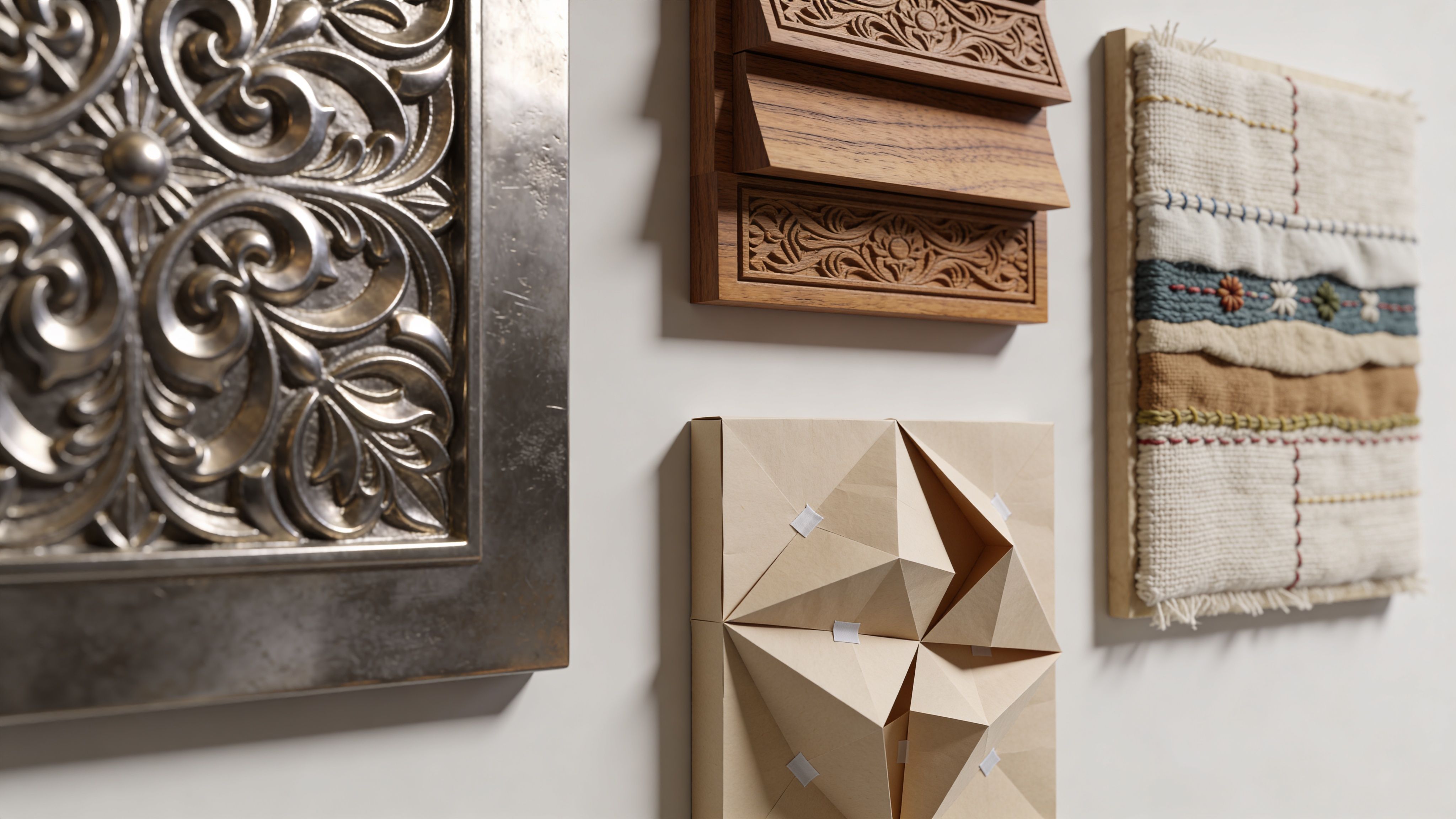
Some pieces feel architectural. Others feel handcrafted and intimate. The best choice depends on whether you want crisp geometry, collected charm, or the warmth of visible workmanship.
Wood is often the most inviting place to begin. It has grain, warmth, and a natural softness that suits both modern and traditional interiors. Relief carvings in wood can range from spare Scandinavian shapes to highly detailed folk motifs.
In regions like Dalarna, Sweden, 3D art crafted from local recycled wood such as pine has a compression strength of 40 to 60 MPa, and proper kiln-drying helps these pieces withstand decades of indoor humidity changes without warping, according to this report on wood wall art durability and construction.
That matters in practical terms. A carved wood piece isn’t only attractive. It can also be a long-term decorative object with heirloom potential, especially when the carving is crisp and the finish lets the structure remain readable rather than overly glossy.
For readers drawn to timber surfaces and hand-worked texture, this guide to wood wall art ideas and styling offers useful inspiration.
Shadow boxes sit somewhere between display and artwork. They combine depth with curation. Instead of one carved surface, you get an arrangement of objects, fragments, textiles, paper, or keepsakes within a framed enclosure.
They suit homes where meaning matters as much as form. A shadow box can hold old tools, family heirlooms, botanical material, or small sculptural objects. The result often feels intimate and collected rather than purely decorative.
This type works well in studies, hallways, and dining rooms where people stand close enough to notice detail.
Layered pieces usually appeal to people who prefer cleaner lines. These works can be cut from wood, resin, acrylic, fibreboard, or mixed materials, then stacked or offset to create repeated depth.
They’re often effective in contemporary rooms because they echo architectural lines. Think ribbed textures, concentric shapes, faceted surfaces, or repeating arcs. They don’t need much ornament because the form itself carries the interest.
A few signs of good layered construction include:
A short visual example can help here:
Mounted sculpture is the boldest branch of the category. These pieces project farther into the room and often read like collected objects rather than conventional art. They may be abstract, animal-based, ceremonial, botanical, or folk-inspired.
This is also where many homes become more memorable. A mounted sculptural object creates a stronger emotional reaction than a matching set of framed prints because it introduces silhouette. It can feel discovered rather than purchased.
Choose sculptural wall pieces the way you’d choose a chair. Look at profile, material, craftsmanship, and how they occupy space, not only at colour.
A beautiful piece can look uncertain if it’s hung too high, squeezed into a narrow wall, or lit from the wrong direction. Placement gives dimensional art its authority. Scale keeps it from feeling timid or overpowering. Lighting brings it to life.
Many people get the first part right and the next two wrong. They buy a strong piece, then treat it like a flat print. Three-dimensional work asks for a little more thought because it has depth, edge, and shadow.
Before you hang anything, study the architecture around it. A piece above a sofa behaves differently from one in a stairwell or an entry. The surrounding furniture, ceiling height, and sightlines all affect what will feel balanced.
A few reliable placement habits make the process easier:
People often think scale is just measurement. In interiors, it’s really about visual weight. A dark carved object with a bold profile can feel larger than a pale layered panel of the same size.
If a single piece feels too slight on a large wall, don’t rush to replace it with something huge. You can often solve the problem by changing the context. Mount it above a narrower bench, pair it with sconces, or give it company through smaller related objects nearby.
Designer’s note: A strong silhouette often matters more than raw size. If you can recognise the piece from across the room, it usually has enough presence.
3d wall art separates itself from ordinary wall decor, particularly concerning its interaction with light. For physical sculptures, directional lighting from an above-side angle is critical because it amplifies natural shadows on textured surfaces and creates dynamic visual effects that shift with changing light, as described in Eleanos Gallery’s guide to wall art in 3D.
That single idea explains why some pieces seem flat in one room and mesmerising in another.
Natural light reveals texture beautifully, especially when it arrives from the side. Morning and late afternoon light tend to produce more dramatic shadow than overhead midday light. If your room gets side light from a nearby window, place carved or relief work where the changing light can graze it.
Be careful with direct harsh sun on painted surfaces over long periods. Even without turning this into a conservation manual, it’s wise to avoid the most punishing exposure.
A small spotlight or picture light can do excellent work with dimensional pieces, but position matters. Overhead frontal lighting often flattens form. Slightly off-centre lighting usually creates more shape.
Try this method:
Soft general room light won’t create the drama of a spotlight, but it does affect mood. Warm ambient lighting often suits carved wood and folk sculpture particularly well because it softens the overall impression while still letting relief show.
Some errors are so common that they’re worth checking before you drill a single hole:
When in doubt, tape out the footprint on the wall and look at it from every major seat in the room.
Many guides on 3d wall art stop at panels, abstract textures, and optical effects. That leaves out one of the richest possibilities. Authentic folk sculptures can function as dimensional wall decor while bringing something modern pieces often lack, which is narrative.
That gap matters because hand-carved forms such as Swedish Dala horses offer tactile depth and storytelling that resonate with collectors and heritage-minded decorators, a perspective noted in this discussion of the missing folk sculpture angle in 3D wall art content.
Abstract relief can be striking. But folk sculpture offers another layer. It carries provenance, regional style, and often a visible hand in the making. You don’t just see shape. You sense tradition, material, and continuity.
A carved animal form, for example, can work beautifully on a wall because it combines recognisable silhouette with painted detail and surface texture. It reads from a distance, yet rewards close viewing.
That makes it especially useful in rooms that risk feeling too polished. A handcrafted sculptural accent introduces irregularity in the best way. It softens perfection and gives the room character.
There isn’t one correct look. Folk sculpture can work across several interior languages if you style it with intention.
One strong piece can be enough. Let the wall remain quiet around it. Pale plaster, oak furniture, wool textiles, and a carved painted object create a restrained but layered composition.
The contrast is what makes it sing. Clean lines in the room allow the hand-painted form to feel precious, not busy.
Smaller pieces can be used to create a gallery arrangement. The trick is not to force symmetry. Instead, group by rhythm. Repeat a finish, a shape family, or a colour note so the wall feels curated rather than random.
Try combining:
Folk sculpture often feels most natural in interiors that already value age, craft, and patina. That doesn’t mean the home has to look rustic. A formal room can hold a folk object beautifully if the piece is given space and good lighting.
Collectors and stylists tend to notice three things quickly: silhouette, finish, and authenticity.
Silhouette matters first because wall art has to read at a glance. Then comes finish. Painted folk forms should show clarity and confidence, not muddy detail. Authenticity is subtler, but it changes how the piece feels in a room. You can often sense when an object was made within a tradition rather than merely borrowing its look.
Homes become more memorable when the wall art says something specific. A crafted folk object tells you where it came from, how it was made, and why someone chose to live with it.
Trends in wall decor come and go quickly when they rely only on novelty. Folk sculpture lasts because it does more than fill space. It connects decoration with memory, craft, and identity.
That’s why this category often appeals to both designers and collectors. One group values composition. The other values provenance. A strong sculptural folk piece satisfies both.
Even the most beautiful wall piece loses its appeal if it hangs crooked, strains the hardware, or gathers dust in deep carved details. Good installation protects the art, the wall, and everyone living with it.
This matters especially with dimensional work because shape affects balance. A piece may not be especially heavy, yet still behave awkwardly if its weight sits forward or unevenly.
Start with the back of the piece, not the front. Look for where the weight sits and whether the hanging points are central, wide-set, or asymmetrical.
Common mounting options each suit different situations:
For carved or sculptural work, stability matters as much as strength. You don’t want the object to tilt every time a door closes.
Drywall, plaster, brick, and timber-lined walls all ask for different fixings. Old plaster can be brittle. Brick can handle more, but drilling needs care. If the wall is uneven, a mounted sculpture may rock unless you add a small stabilising point at the base.
Before installing anything valuable, it’s worth reviewing examples of metal artwork for wall mounting and support considerations, even if your own piece isn’t metal. The principles around balance and anchoring are often transferable.
A calm, methodical routine prevents most mistakes.
Secure art should feel settled, not merely attached. If it shifts easily when touched, refine the mounting before you call it finished.
Three-dimensional art collects dust differently from flat frames. Dust settles on ledges, in recesses, and around carved edges. Gentle care keeps detail visible.
A few habits help:
Wood, resin, and painted folk pieces all benefit from steadiness. Stable indoor conditions, thoughtful handling, and occasional hardware checks will do more for longevity than aggressive cleaning ever could.
Buying art is satisfying. Finishing a piece with your own hands creates a different kind of bond. For many people, that’s the most rewarding path into 3d wall art because the object becomes part decor, part memory, part creative record.
A blank sculptural form gives you enough structure to begin without the intimidation of starting from nothing. You’re not facing an empty canvas. You’re responding to a shape that already has presence.
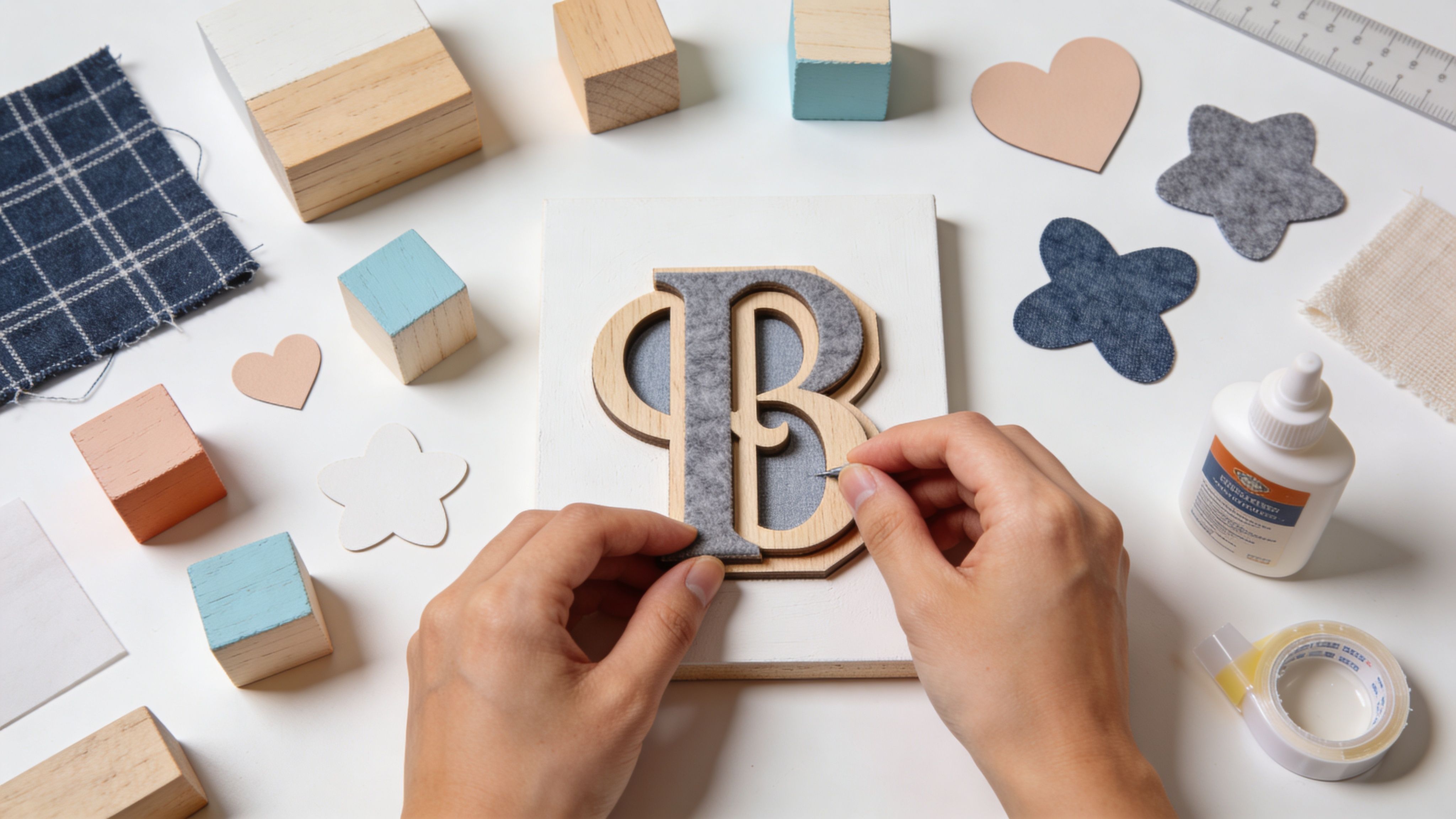
A sculptural object gives you natural guidance. The contours suggest where colour should sit. Raised surfaces invite pattern. Curves and edges help define rhythm even before you paint a single line.
That makes DIY more approachable than many people expect. You don’t need to be a trained artist to create a piece with charm. You need patience, a small palette, and a willingness to let the form lead.
If you enjoy making your own decor objects, these 3 d printable miniatures and creative ideas can spark useful thinking about scale, finishing, and display, even when you’re working with carved rather than printed forms.
Most DIY disappointments start with too many ideas at once. Keep the palette tight. Look around the room where the piece will live and pull from what already exists.
A good starting combination often includes:
If your room is calm and tonal, a folk-inspired object can be the moment of brightness. If your room is already colourful, a more restrained finish may sit better.
You don’t have to choose between historical pattern and modern restraint. Some of the most successful personalised pieces use a traditional motif in a simplified palette, or a classic silhouette with a more contemporary paint treatment.
Try one of these approaches:
Traditional pattern, modern colours
Keep the decorative language but adapt it to your room.
Minimal pattern, heritage palette
Use only a few motifs, but choose colours with folk character.
Single-colour sculptural emphasis
Let shadow and form do the work with very little ornament.
Paint the largest shapes first. Add fine detail only after the main colour balance feels right from a distance.
Let painted surfaces cure fully before mounting or styling the piece. Handle edges gently. Then place it somewhere that gives your work room to be seen properly.
A personalised piece often works best where people can notice that it’s handmade. An entry, reading corner, or small gallery grouping usually does that better than a crowded feature wall.
The core value of DIY customisation isn’t perfection. It’s authorship. You end up with a dimensional object that reflects both an existing craft tradition and your own eye.
A room changes when the walls stop behaving like flat background and start contributing shape, texture, and presence. That’s the lasting appeal of 3d wall art. It doesn’t only decorate. It alters how a room feels as light moves, as you walk past, and as your eye settles on surfaces with real relief.
Some pieces create depth through layered construction. Others do it through carving, mounted form, or shadow. The most memorable ones also carry meaning. They hold craft, material honesty, and a sense that someone made them with intention.
That’s why dimensional art often feels more personal than a standard framed print. It can connect a modern interior to older traditions without making the room feel old-fashioned. It can introduce boldness without shouting. It can make a minimal room feel warmer and a collected room feel more coherent.
When you choose carefully, hang thoughtfully, and light well, the result is more than a styled wall. It becomes part of the home’s character. And when the piece also carries provenance, sustainability, or cultural heritage, that character deepens.
The best interiors don’t just show taste. They tell stories. Dimensional wall art gives those stories shape.
If you’re looking for handcrafted pieces that bring depth, provenance, and Swedish folk tradition into the home, Dalaart is worth exploring. The collection focuses on authentic Dala horses and companion animals made in Dalarna by skilled artisans, with options ranging from classic painted pieces to DIY models you can personalise yourself.


.svg)


.png)


